
Hendry Santoso – Market Research & Feasibility Study
Introduction
Renewable energy has emerged as a key driver in the global transition towards sustainability. As the world increasingly shifts towards sustainable energy solutions to mitigate climate change, Indonesia is positioning itself at the forefront of renewable energy potential, alongside other developed nations.
With an ambitious target to achieve net-zero carbon emissions by 2060, Indonesia is aggressively promoting its renewable energy sector to both domestic and international investors.
The country boasts a renewable energy potential totaling 3,600 GW, with solar PV (Photovoltaic) systems representing the largest opportunity, accounting for 3,294 MW of this potential.
Leveraging its abundant natural resources—including sunlight, biomass, and geothermal energy—Indonesia is uniquely positioned to transition from conventional fossil fuels to renewable energy sources.
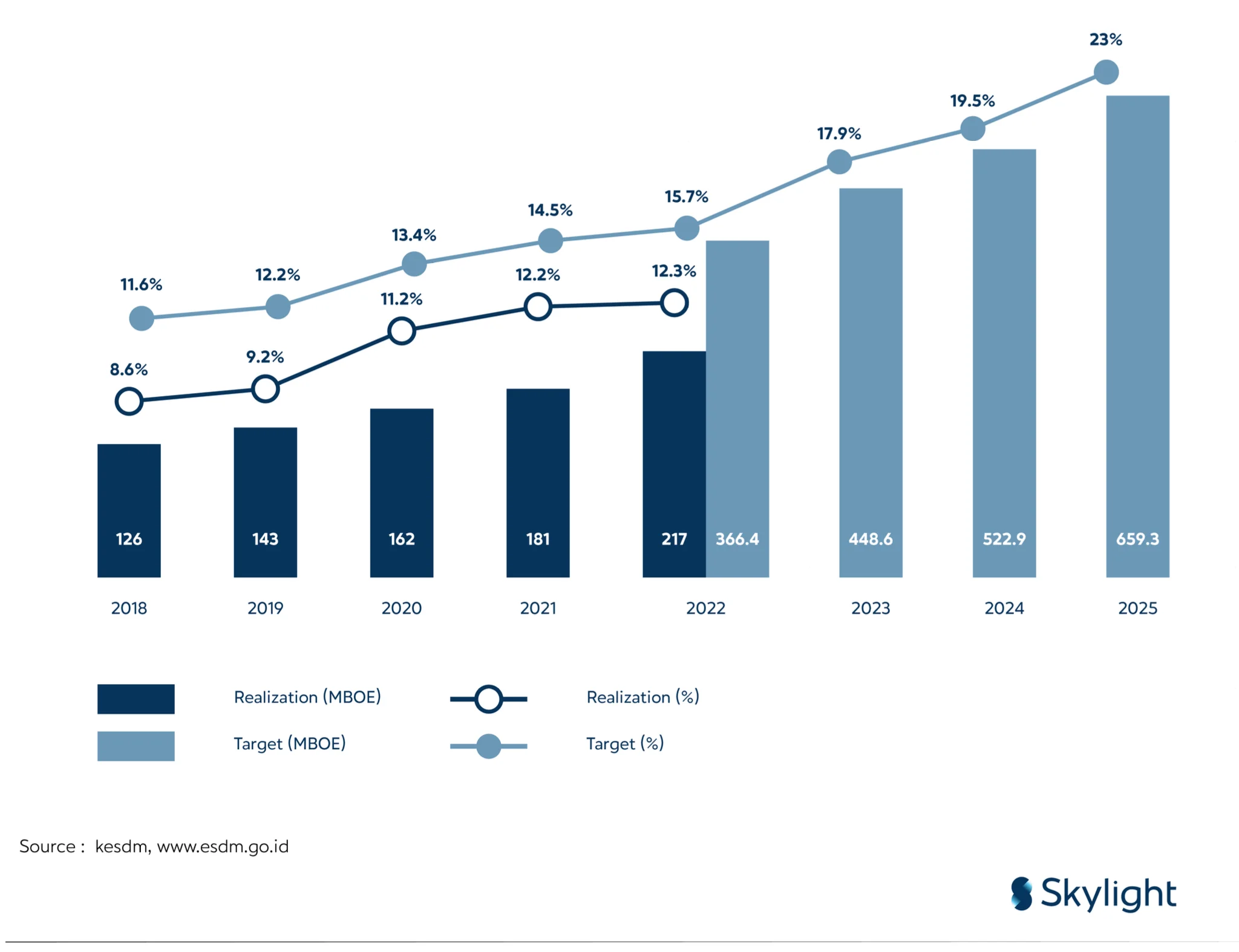
Over the past decade, Indonesia has witnessed significant growth in renewable energy adoption, with an ambitious target to achieve 23% of its energy from renewable sources by 2025. As depicted in the graph below:
Realization of Renewable Energy Mix
Current Energy Landscape
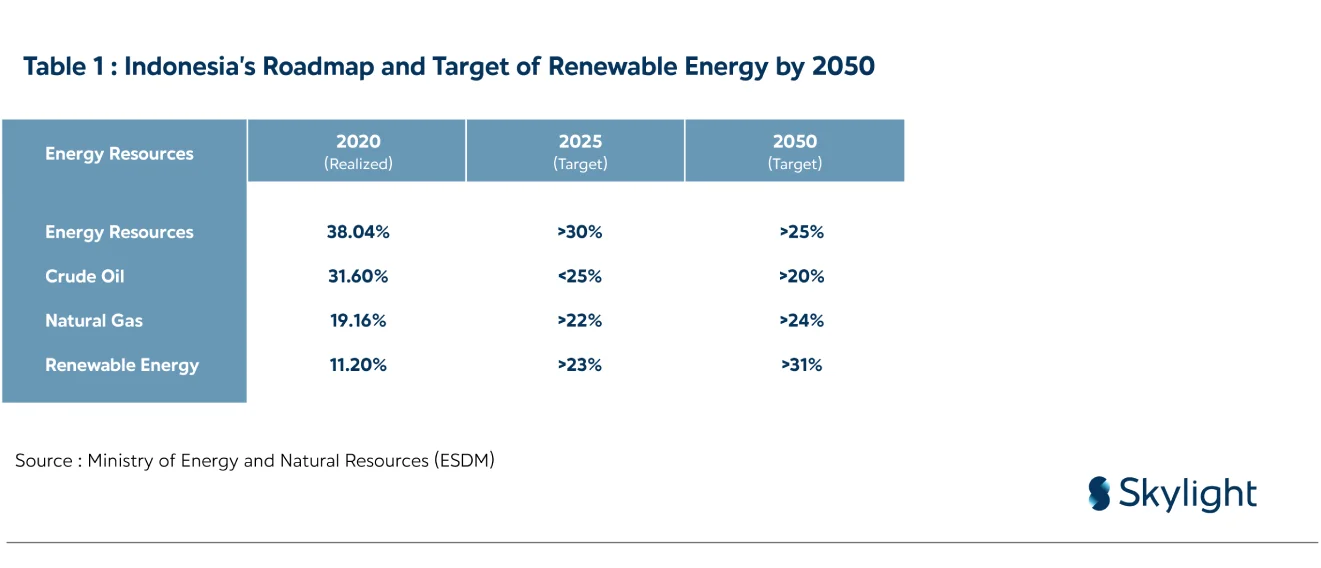
Indonesia’s energy landscape has historically been dominated by fossil fuels, primarily coal and natural gas. However, in recent years, the country has sought to diversify its energy sources and increase its reliance on renewable energy. The national energy policy of Indonesia aims to ensure that renewable energy sources account for 23% of the total energy matrix by 2025, with a further increase to 31% by 2030.
As Indonesia’s energy consumption is projected to rise by 80%, electricity demand is expected to triple between 2015-2030.
While fossil fuels currently account for 80% of the country’s electricity generation —coal being the largest contributor with a share of 61.55%—the share of clean energy is also experiencing growth. For instance, solar power capacity has surged by 800% over the past decade.
Hydropower remains the largest contributor to clean energy, representing 8% of Indonesia’s total energy mix. In addition, Indonesia holds the position of second globally in terms of geothermal power capacity, ranks only behind the United States.
Data Breakdown:
1. Renewable Energy (19% = 65 TWh)
- Hydropower: 7% (25 TWh)
- Bioenergy: 6.4% (22 TWh)
- Geothermal: 4.8% (17 TWh)
- Solar: 0.2% (0.7 TWh)
- Wind: 0.1% (0.5 TWh)
2. Fossil Fuels (81% = 285 TWh)
- Coal: 62% (217 TWh)
- Natural Gas: 6.9% (62 TWh)
Fossil fuels met the remaining 81% (285 TWh) of electricity demand. Coal dominated the generation mix, accounting for 62% (217 TWh), while natural gas saw a 6.9% growth, rising from 58 TWh in 2013 to 62 TWh in 2023.
Renewable Energy Sources:
- Geothermal Energy:
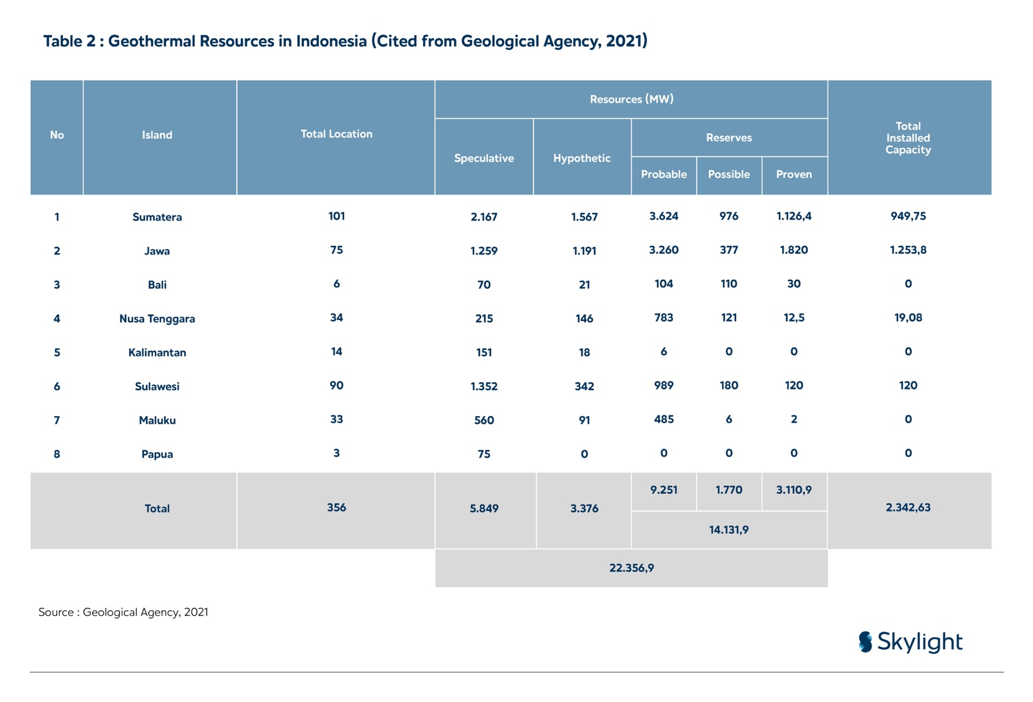
Indonesia, located within the Pacific Ring of Fire, is home to approximately 127 active volcanoes, positioning it as a global leader in geothermal energy. The country’s geothermal resources are estimated to range from 23 GW to 38 GW, spread across more than 350 geothermal sites.
The country has developed several geothermal power plants that contribute significantly to its energy supply. The geothermal sector is particularly notable for its ability to provide stable, base-load power, offering a reliable alternative to fossil fuels.
2. Solar Energy:
Positioned along the equator, Indonesia enjoys abundant sunlight year-round, making it an ideal location for solar energy projects. The government has been proactive in promoting solar power, providing incentives for both utility-scale solar farms and residential solar panel installations. Initiatives are in place to expand capacity, particularly in rural areas, to improve energy access and reduce carbon emissions.
Indonesia receives an average solar radiation of about 4.5 to 5.5 kWh / m2 / day throughout the year (Mulyadi, 2020), resulting the Indonesia government sets an ambitious target of 23% by the end of 2025.
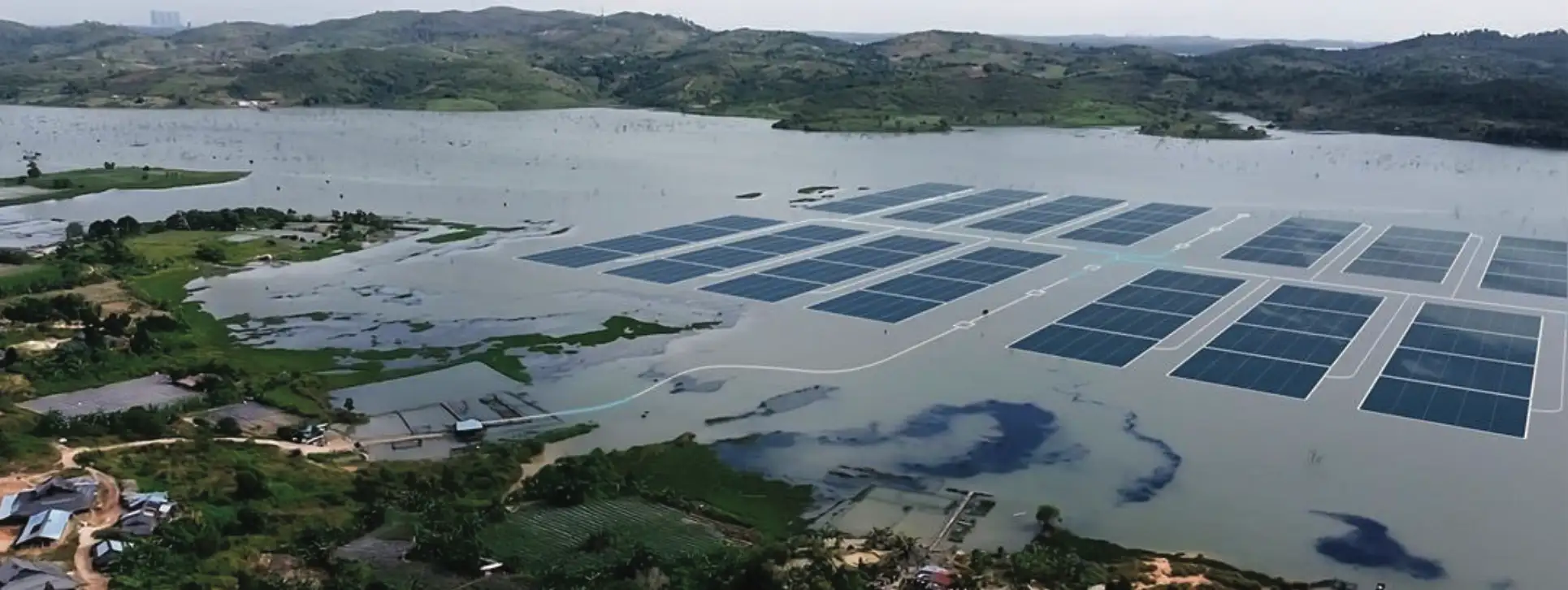
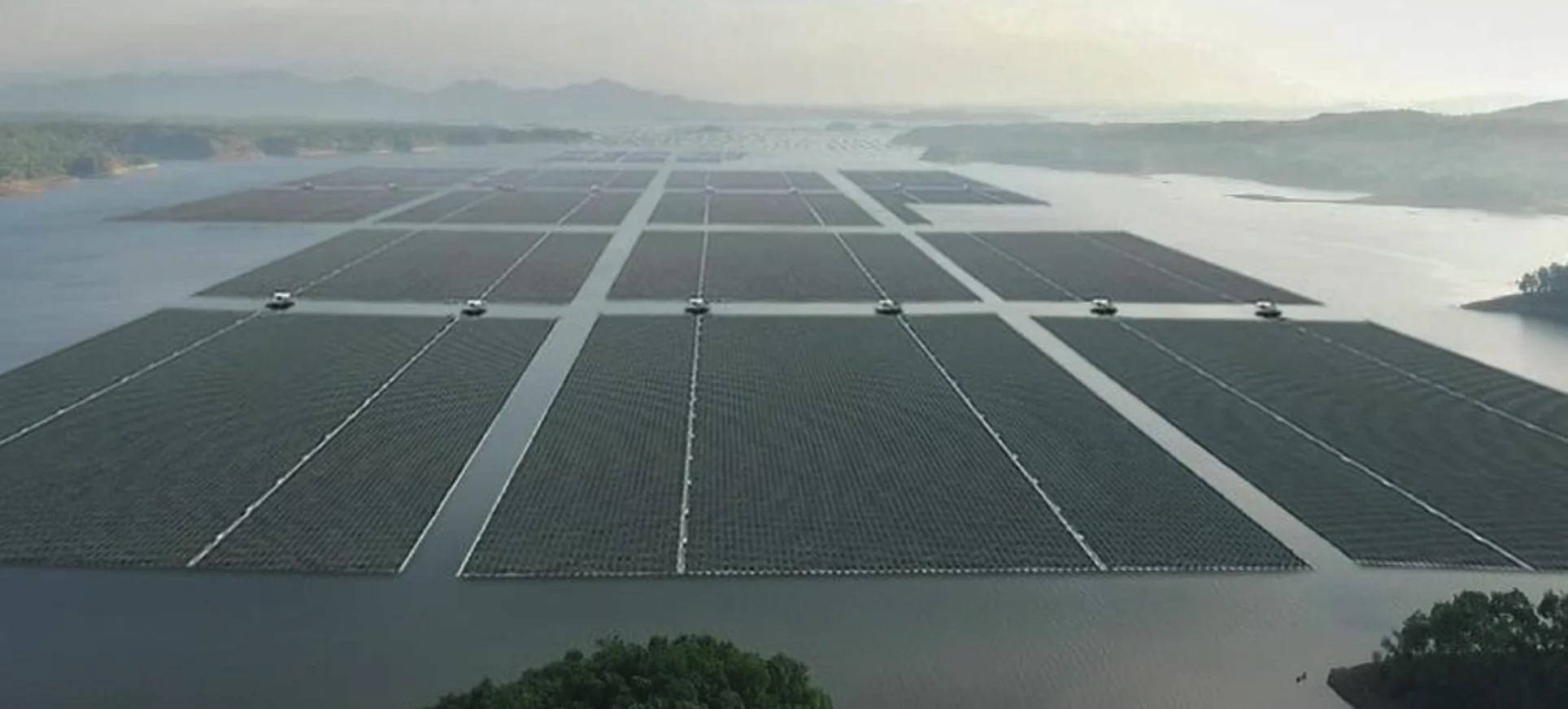
Among the most prestigious solar projects is the Cirata Floating Solar Power Plant, with a total installed capacity of 145 MW. Located on the surface of Cirata Reservoir, this plant supplies electricity to more than 50,000 households in the surrounding area. The Cirata Floating Solar Power Plant is the largest of its kind in Southeast Asia and the third largest globally in terms of capacity.
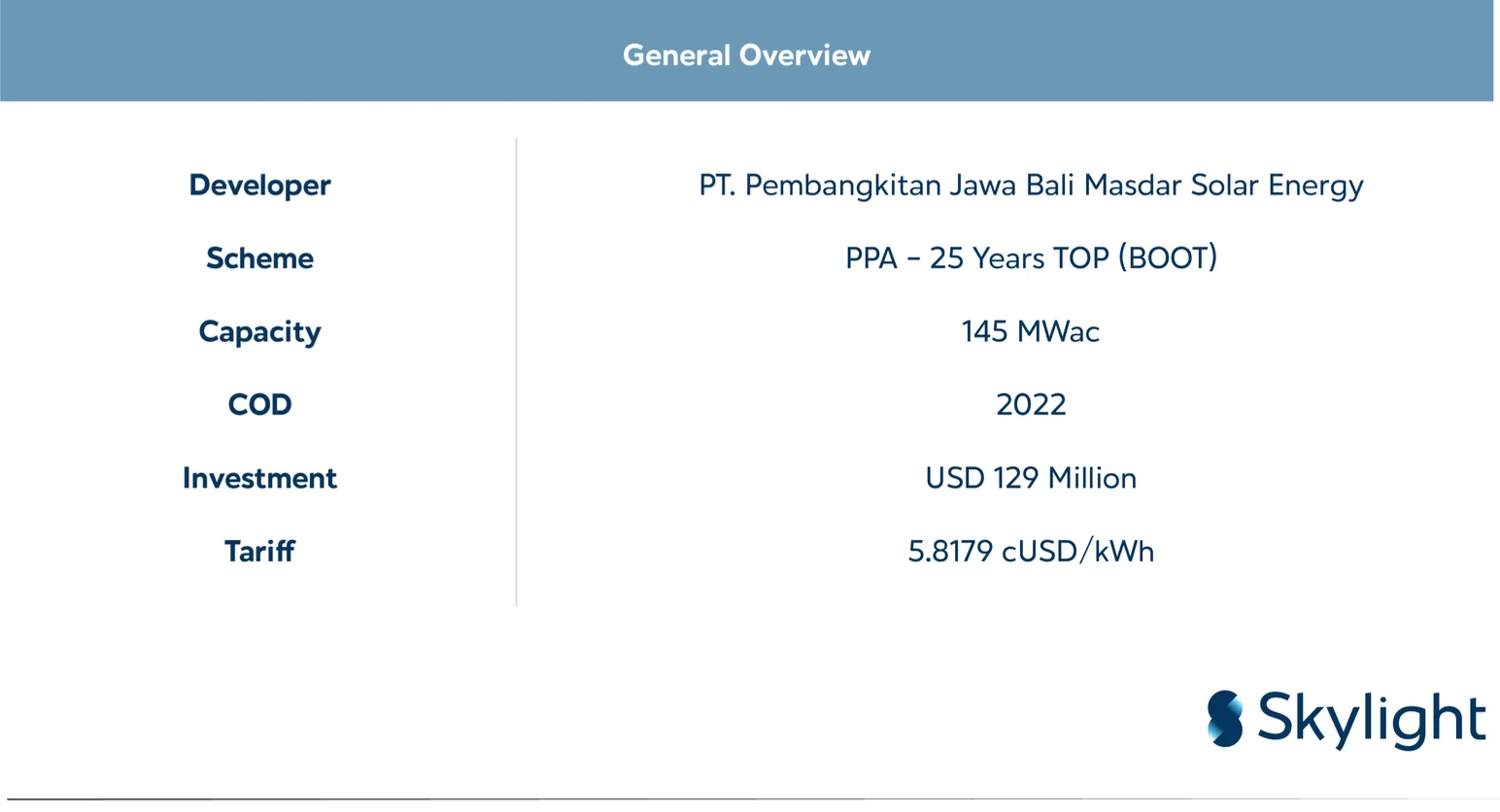
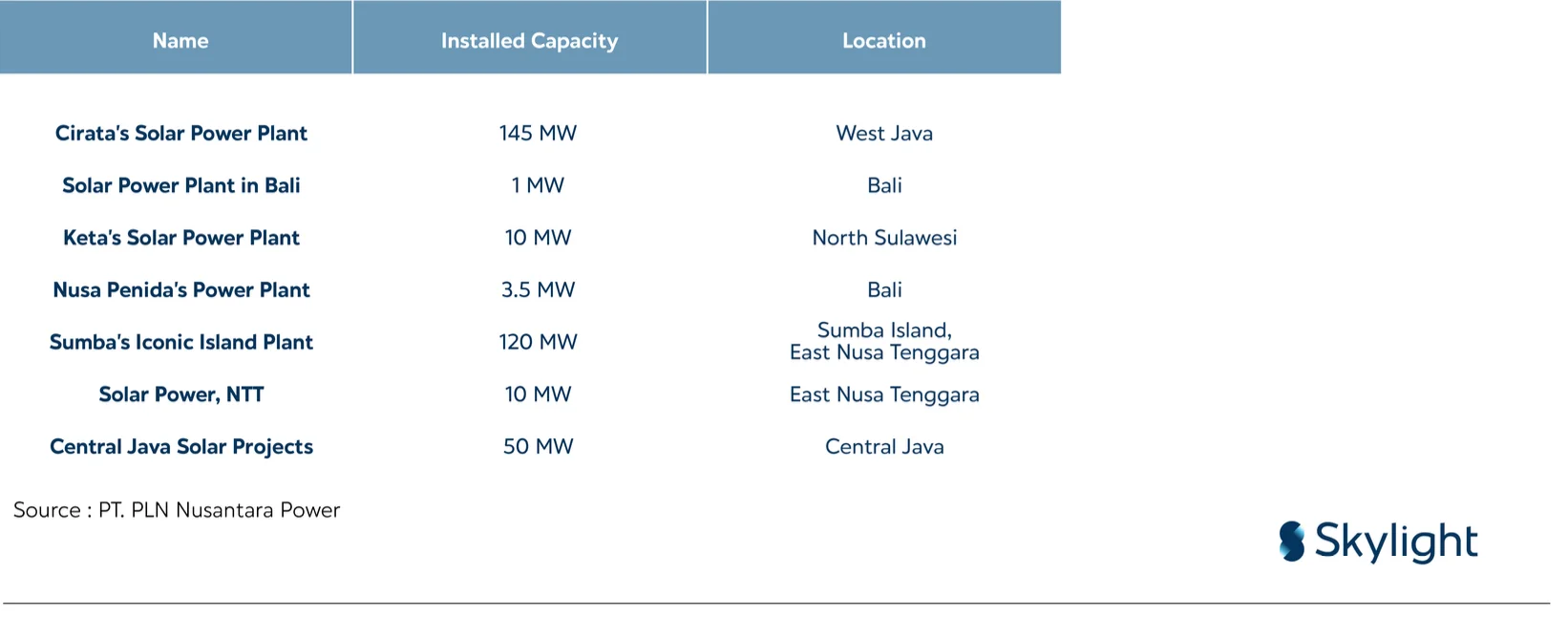
Aside Cirata’s Solar Power Plant, there are also other notable locations of Solar Power Plant’s project in Indonesia as below:
3. Wind Energy:
While wind energy in Indonesia remains in its early stages, certain coastal regions, such as South Sulawesi and Java, have shown promise for wind turbine installations. Although wind energy currently contributes a small share to the national energy mix, the government is exploring its potential, particularly in regions with favorable wind conditions.
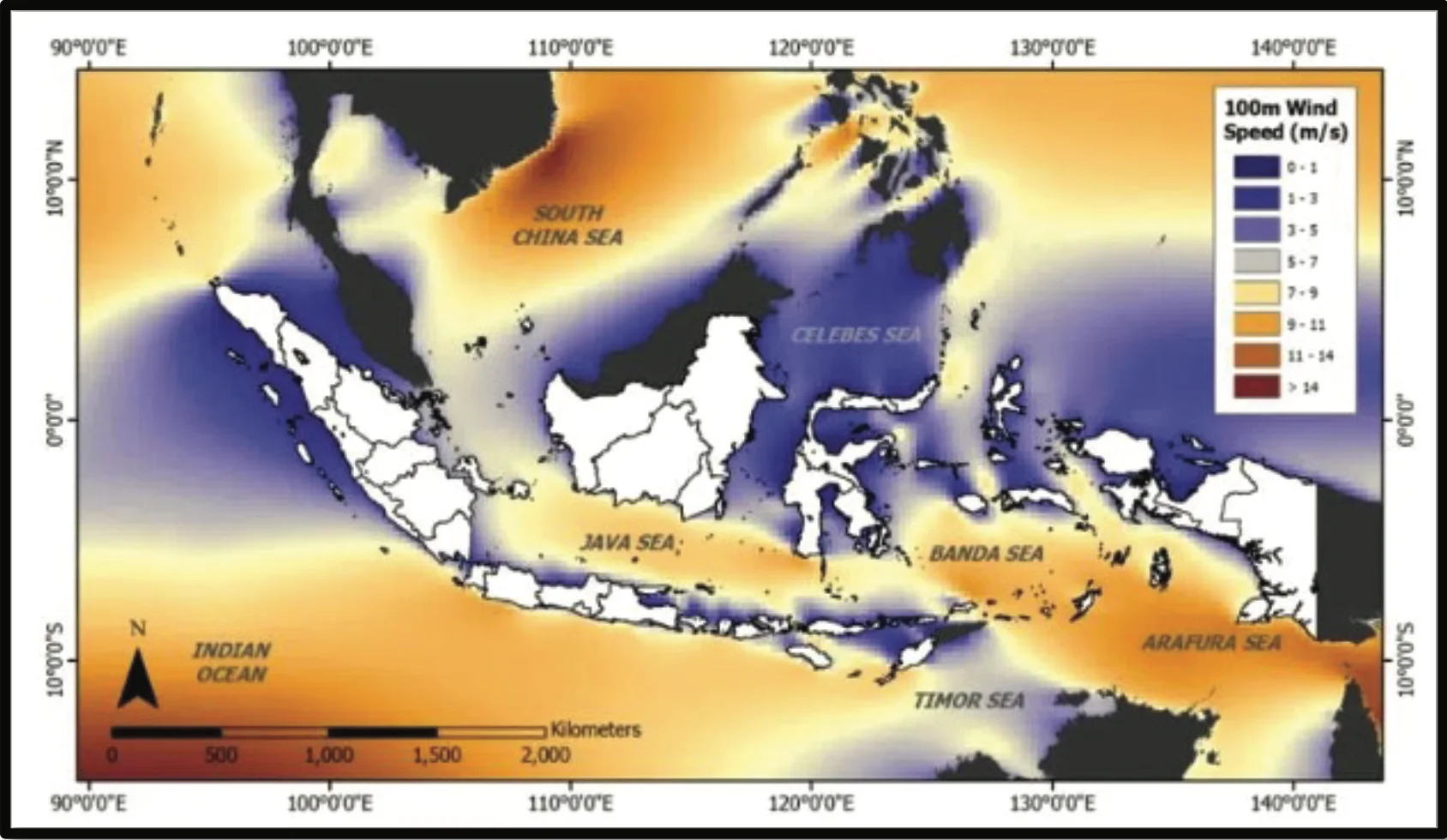
Indonesia’s wind energy has peak potential amounting approximately 9.5 GW with average wind speed range from 1.3 – 6.3 m/s, with East and West Nusa Tenggara as well as Southern Sulawesi on the higher end of spectrum. Furthermore, other workable options include Aceh, Southern Java, and Northern part of Papua.
Despite the promising potential, the development of wind energy has been slow, with only 154 MW of installed capacity—unchanged since 2018—contributing just 0.15% of Indonesia’s total electricity production.
The largest wind-based power plant is located in Sidrap, Southern Sulawesi with an installed capacity of 75 MW, providing electricity to more than 70,000 houses.
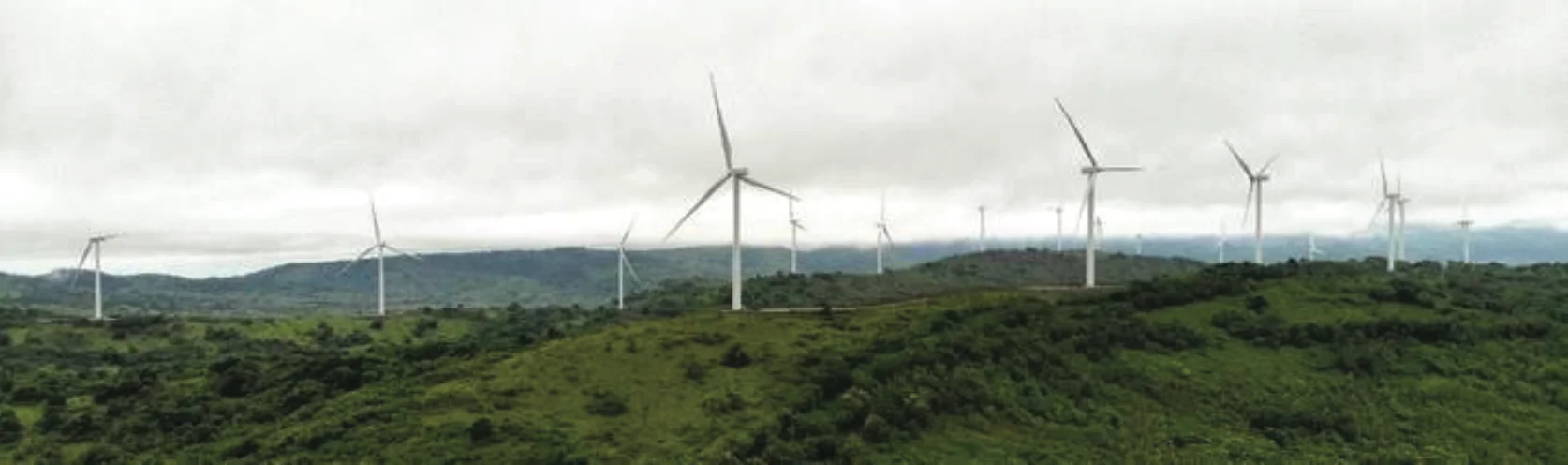
The second-largest wind farm is in Tolo, also in Southern Sulawesi, with an installed capacity of 72 MW. Looking ahead, Indonesia’s state-owned electric company (PLN) has ambitious plans for the Jakarta Wind Power Plant, with a projected installed capacity of 597 MW, making this future project as the largest through significant margin.
4. Biomass Energy:
Derived from agricultural residues, wood, and waste, presents a lucrative opportunity for Indonesia. The country has a rich agricultural sector that can support biomass production.
In the transport sector, Indonesia has progressively implemented the biodiesel blend mandate established by the Ministry of Energy and Mineral Resources in 2014. The blending rate began at 10% (B10) in 2014, increased to 20% (B20) in 2016, and reached 30% (B30) in December 2019. This progression has positioned Indonesia as a global leader in the use of biodiesel in transportation.
Additionally, Indonesia holds significant potential to produce bioethanol as a transport fuel. However, the failure to implement the planned 5% bioethanol blending mandate in gasoline highlights the challenges of establishing a financing mechanism that can effectively stimulate the market.
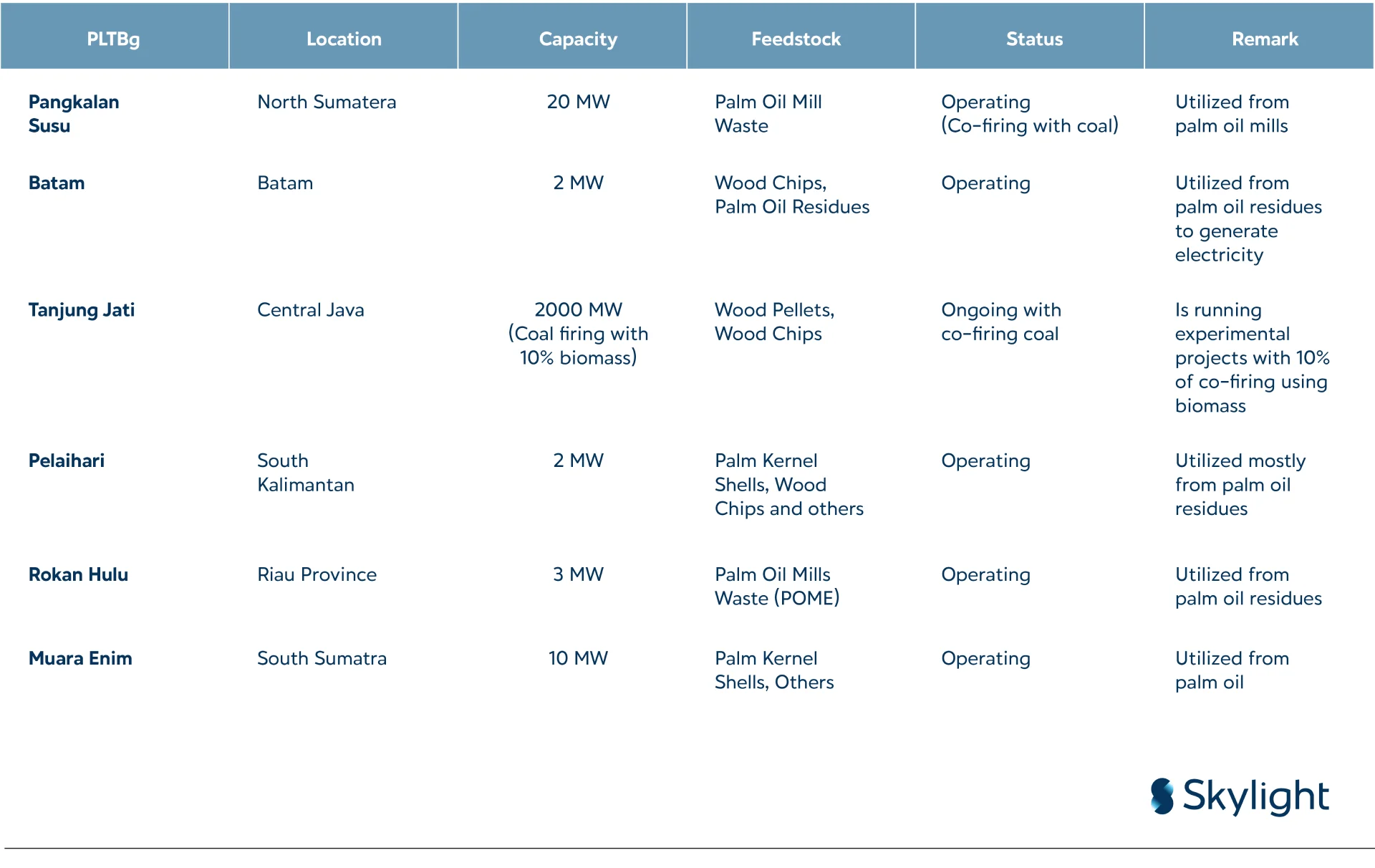
The use of bioenergy in transportation represents just the beginning. In the power sector, the Ministry of Energy and Mineral Resources has identified that bioenergy could contribute up to 32.6 GW. However, as of now, approximately 1.95 GW of biomass-fired capacity has been installed. To accelerate the deployment of bioenergy, one promising solution is co-firing, where a portion of the existing 18 GW of coal-fired power plants could be converted to use 5%-10% biomass, such as wood pellets and wood chips.
Indonesia has a number of biomass power plants, although the sector is still developing, and biomass power generation capacity remains relatively small compared to other energy sources. Below is a list of some biomass power plants in Indonesia, along with their capacity. However the capacity figures can vary, and some plants may be in the planning or construction stages.
Conclusion
1. Indonesia is endowed with abundant renewable energy resources, including water, volcanic activity, wind, forests, and year-round sunlight. These resources position the country well to transition from fossil fuels to green energy.
2. Renewable energy may incur high stakes of capital in the early stage, yet with the support from developed countries and throughout lucrative investment scheme, it will boost more investors in the future as the contribution of renewable energy is only at 23% compared to fossil fuels.
3. Hydro-based power plant remains as the largest contributors of renewable energy, followed by bioenergy, geothermal, solar PV, wind, and biomass, respectively.
4. Among the various renewable energy sources, solar PV offers particular advantages for residential, commercial, and industrial sectors due to its scalability and ease of installation. For residential solar use, distributors are targeting households, offering electricity cost reductions of 15% to 25% on monthly bills.
5. The new elected Head of Investment Coordinating Board, Rosan Roeslani said with total capacity of 3.677 GW, the Indonesian government is encouraging all stakeholders of energy based-Industrial Park to build green energy’s industrial zone to lure investors.
6. In order to reduce the carbon emissions, the Indonesian government needs to provide full support to its people, starting from giving subsidy for solar home use and offers green energy incentives to the investors.
7. At present, PT PLN as the state-owned electricity company has formed multiple joint ventures with foreign investors throughout PPP (Public Private Partnership) to build renewable energy’s power plant with buyback scheme of excess electricity.
8. In order to reduce the carbon emissions, the Indonesian government needs to provide full support to its people, starting from giving subsidy for solar home use and offers green energy incentives to the investors.
9. At present, PT PLN as the state-owned electricity company has formed multiple joint ventures with foreign investors throughout PPP (Public Private Partnership) to build renewable energy’s power plant with buyback scheme of excess electricity.
In summary, while there are several biomass power plants operating in Indonesia, many of them are relatively small, and much of the biomass potential remains untapped. However, there are active plans to expand biomass power generation, particularly through co-firing with existing coal plants and the development of new facilities in agricultural regions.
Sources
1. Skylight Analytics Hub
2. Ministry of Energy and Natural Resources, https://esdm.go.id
3. Ministry of Industry, https://kemenperid.go.id
4. Energy Tracker Asia
5. Indonesia’s Statistics Bureau, https://bps.go.id
6. Solar Panel for home used, observed from PT. Berlin Energi, https://berlinenergi.com
7. Solar Power Plant in Indonesia, cited from Modern Diplomacy
8. Indonesia’s State-owned electric company (PLN), https://pln.co.id
9. Renewable Energy Power Plant, generated from PT. PLN Nusantara Renewable, https://ptplnnr.com
10. Geothermal Resources in Indonesia, Geological Agency
11. Ministry of Transportation, https://kemenhub.go.id
12. Ministry of Finance, https://kemenkeu.go.id