
By Hendry Santoso, Market Research & Feasibility Study
Strategic Outlook: Unlocking the Potential of CCUS in Indonesia’s Low-Carbon Future
Addressing climate change is no longer optional—it is an imperative that defines the future of sustainable growth. Indonesia, with its dynamic economy and increasing energy demand, stands at a pivotal crossroads. While it has emerged as one of the world’s fastest-growing economies over the past five decades, this trajectory has also brought environmental trade-offs, particularly in the form of rising greenhouse gas emissions tied to fossil fuel dependency.
In this context, Carbon Capture, Utilization, and Storage (CCUS) presents a strategic opportunity. As a technology that enables emissions reduction without compromising industrial competitiveness, CCUS could play a central role in Indonesia’s energy transition. This report explores the landscape of CCUS in Indonesia—examining its potential, the challenges it faces, the current projects underway, and what lies ahead. It provides a forward-looking view to inform policymakers, industry leaders, and investors as they navigate the path toward a more sustainable and resilient economy. 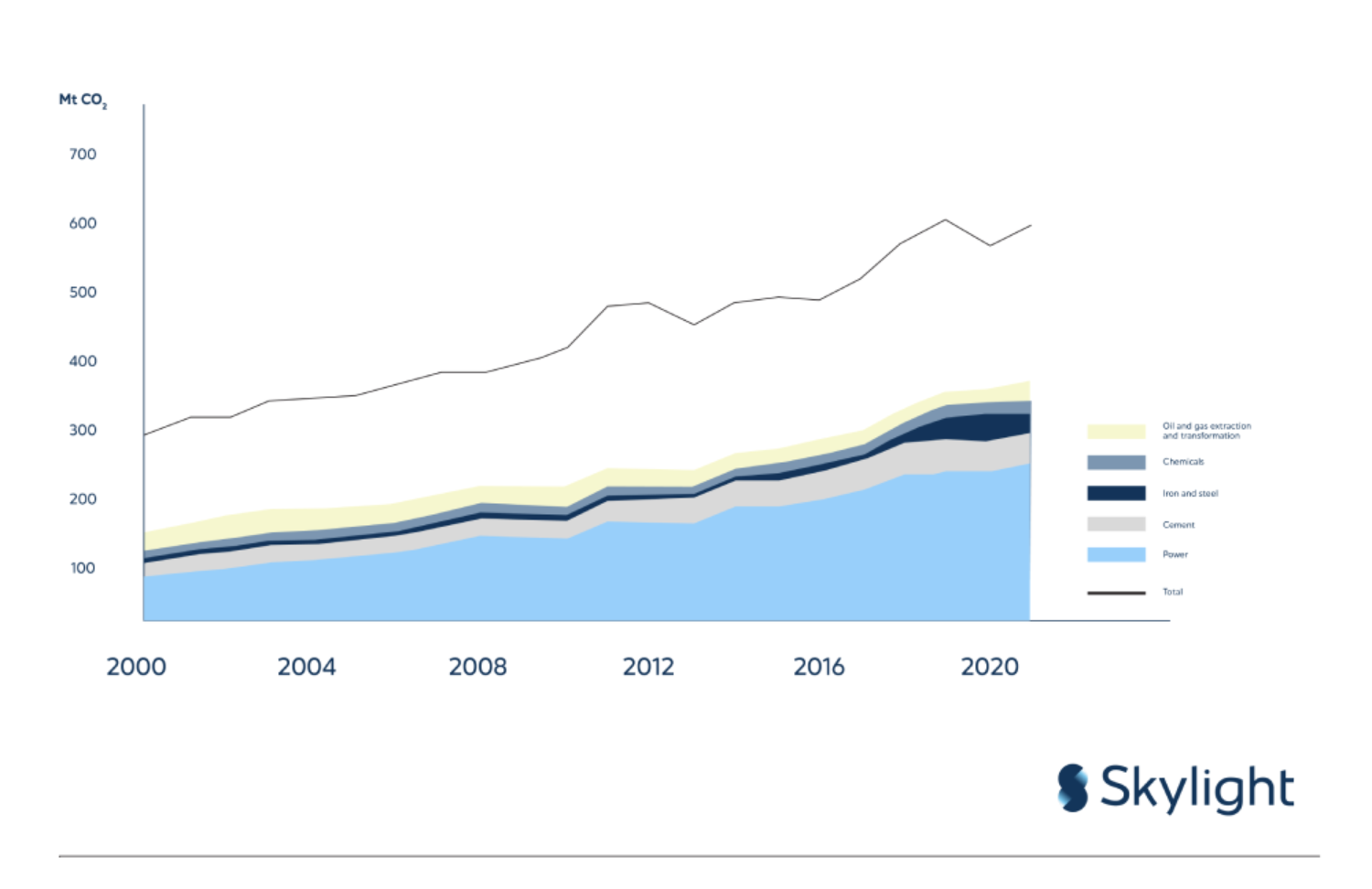
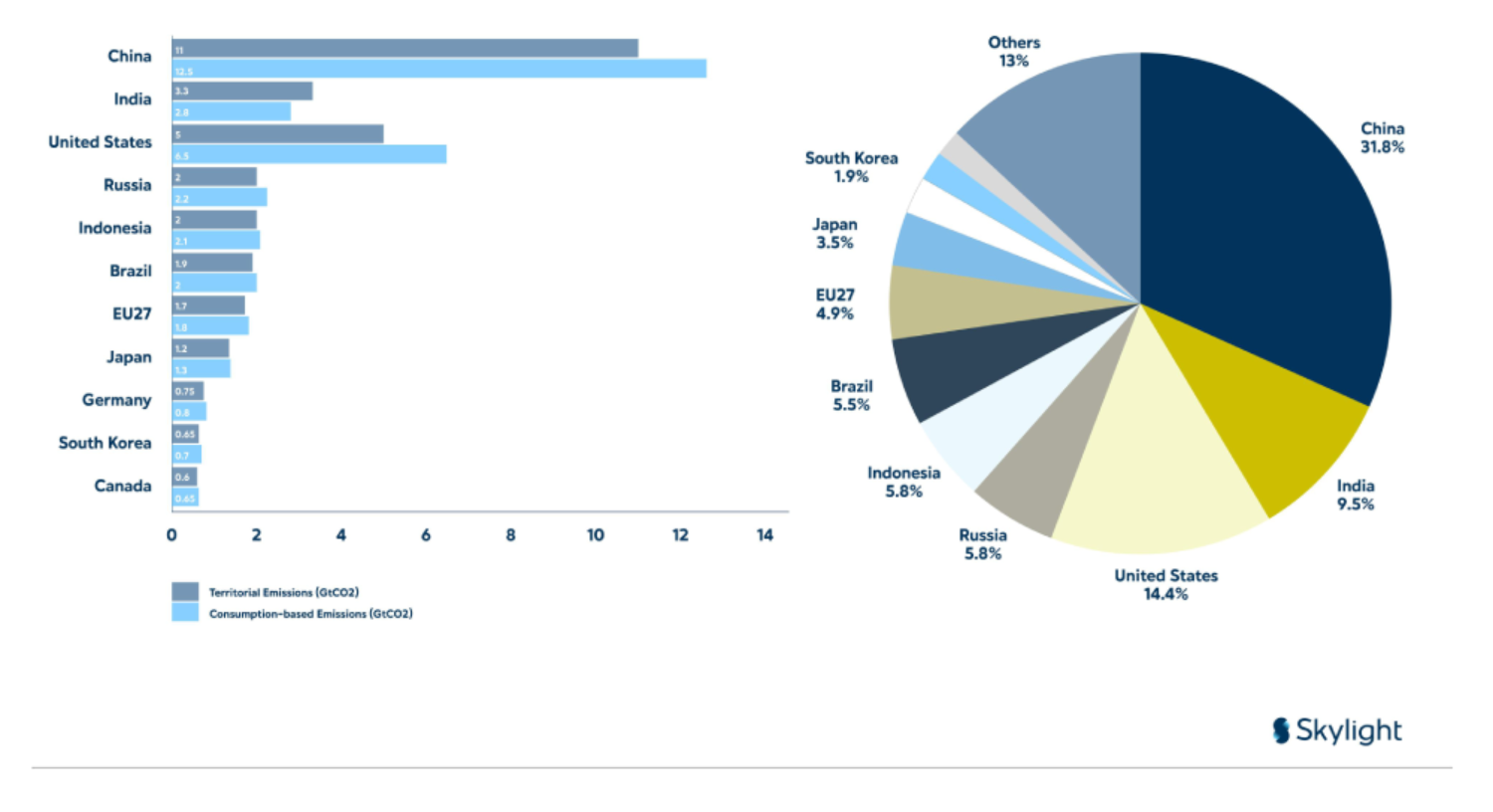
Indonesia’s total emissions and its contribution to the world
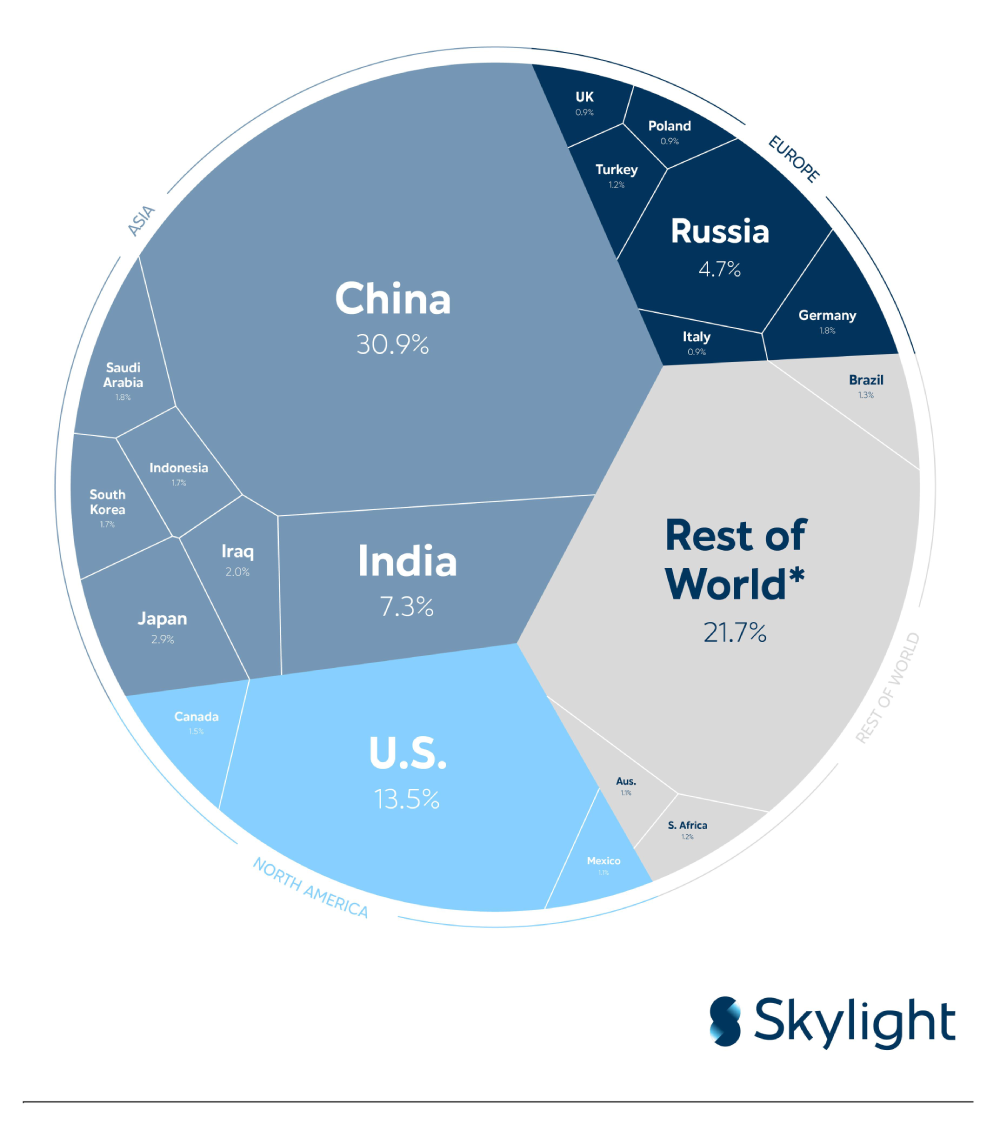
As of 2021, Indonesia’s energy sector emitted approximately 600 million metric tons (Mt) of CO₂, placing it just below South Korea in the global emissions ranking. Nearly half of these emissions stemmed from coal combustion, followed by oil at roughly one-third. The remainder was split between natural gas (about 15%) and process emissions (around 5%).
Between 2000 and 2021, Indonesia’s total energy supply expanded by over 1.5 times, while CO₂ emissions from the energy sector more than doubled. This increase was driven largely by surging coal consumption—especially within the electricity sector, where coal-fired power generation rose more than fivefold. This trend underscores Indonesia’s continued reliance on coal to meet its growing energy needs.
The industrial sector has also played a significant role in the country’s emissions trajectory, contributing nearly one-fifth of the total increase over the past two decades. Within this sector, steel production has been a major driver, with coal remaining the primary fuel source. The past decade alone has seen rapid growth in power plants and heavy industrial facilities, notably in cement, iron, and steel. Roughly half of Indonesia’s crude steel production capacity was added in the last ten years, predominantly using the emissions-intensive Blast Furnace–Basic Oxygen Furnace (BF-BOF) method.
Looking ahead, Indonesia faces a complex balancing act. While industrial and energy development remain central to economic progress, the country’s coal-heavy infrastructure presents a serious challenge to its climate commitments. Accelerating the shift to cleaner energy sources and deploying more efficient industrial technologies will be essential to curb emissions and ensure long-term sustainability.
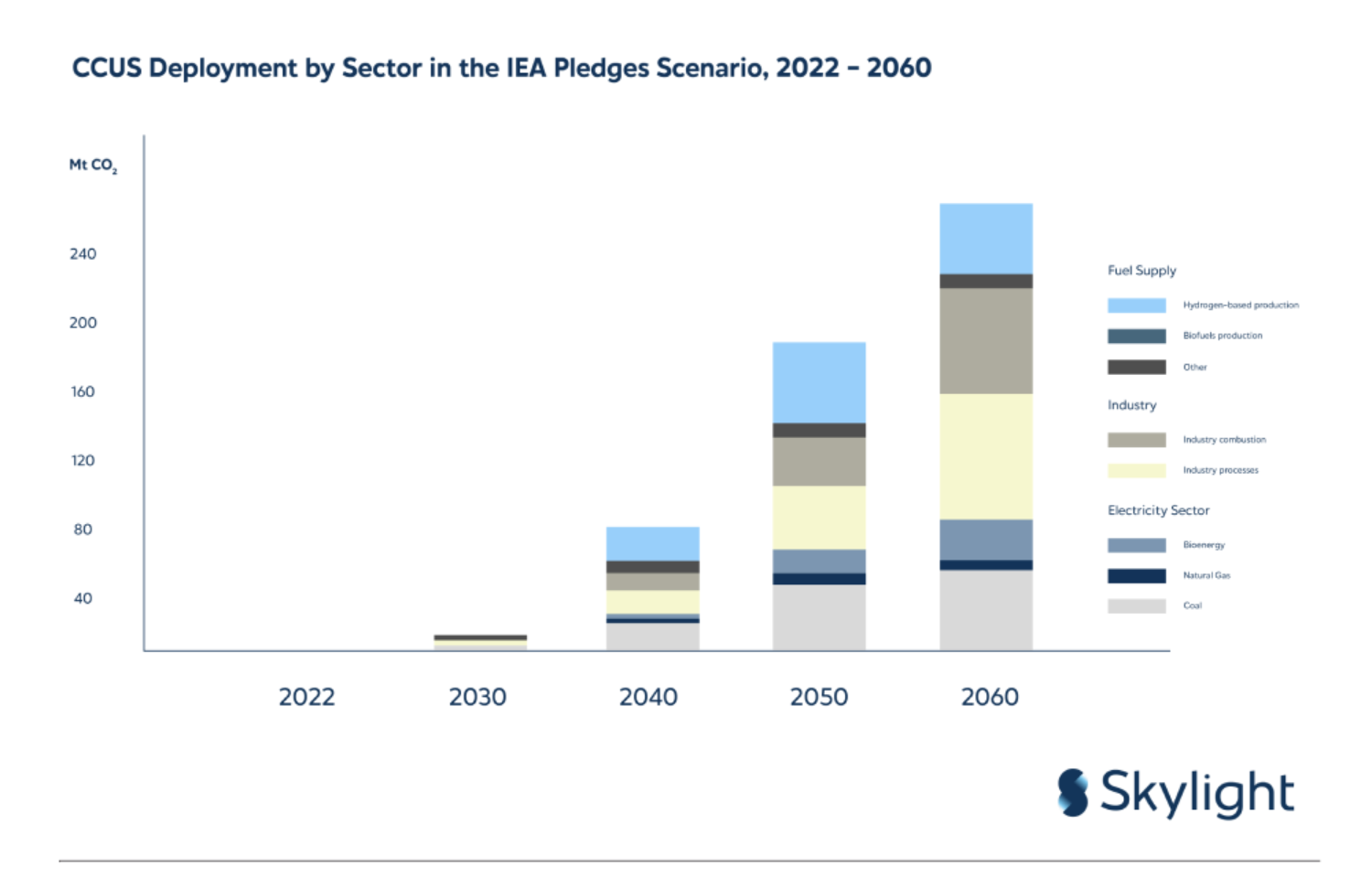
Introduction of CCUS
Carbon Capture, Utilization, and Storage (CCUS) is an advanced climate mitigation technology that captures carbon dioxide (CO₂) emissions from industrial sources, power plants, or even directly from the air. Instead of simply storing the captured CO₂ underground (as in traditional Carbon Capture and Storage, or CCS), CCUS also utilizes CO₂ by converting it into useful products, such as synthetic fuels, chemicals, building materials, or enhanced oil recovery (EOR).
CCUS refers to technologies designed to capture carbon dioxide (CO₂) emissions from industrial sources, transport them to a storage site, and either store them underground or repurpose them for industrial applications. The process involves three key steps:
- Capture: Separation of CO₂ from power plants, factories, or other industrial
- Utilization: Reusing CO₂ for enhanced oil recovery (EOR), synthetic fuels, cement, or other products.
- Storage: Injecting CO₂ into underground geological formations such as depleted oil and gas fields or saline aquifers.
Barriers to Deployment: Unpacking the Challenges of CCUS in Indonesia
Despite its potential, CCUS faces several challenges in Indonesia, while CCUS offers a promising pathway to decarbonization, its widespread deployment in Indonesia is hindered by economic, regulatory, infrastructure, technical, and societal challenges. Addressing these barriers requires comprehensive policy interventions, technological advancements, and public-private partnerships.
High Costs & Economic Barriers as a Capital-Intensive Technology
- CCUS projects demand high upfront capital investment, making it difficult for industries to adopt them without financial support. The key cost drivers include:
- CO₂ Capture Costs: Depending on the source, CO₂ capture costs range from $40 to $100 per ton. Capturing CO₂ from industrial sources is more expensive than from natural gas processing
- Transport Costs: The construction of CO₂ pipelines is costly, particularly in a geographically diverse country like Indonesia
- Storage & Monitoring Costs: Long-term monitoring of CO₂ storage sites is necessary to ensure safety and prevent leaks
Uncertainty in Carbon Market and Pricing
A clear carbon pricing mechanism is essential for making CCUS financially viable. Currently, Indonesia’s carbon market is in its early stages, creating financial risks for CCUS investors due to:
- Unstable carbon credit prices that may not provide sufficient financial incentives
- Lack of penalties for CO₂ emissions, reducing the motivation for industries to adopt CCUS
- Limited carbon offset demand, making it difficult for CCUS projects to generate revenue
Funding Gaps and Lack of Private Investment
Most CCUS projects in Indonesia rely on government funding or international grants. However, barriers to private sector investment include:
- Long return on investment (ROI) periods, making CCUS less attractive compared to renewable energy projects, even when compared to toll road projects which takes around 6-7 years of ROI
- Perceived financial risks, as CCUS technology is still evolving
- Lack of subsidies and tax incentives for CCUS development
Regulatory and Policy Uncertainty, absence of a Robust Legal Framework
Indonesia lacks comprehensive CCUS-specific laws to regulate CO₂ transport, storage, and monitoring. The absence of clear policies leads to:
- Delays in project approval and permitting processes
- Uncertainty over liability in case of CO₂ leaks from storage sites
- Lack of legal protection for companies investing in Indonesia
However on March 2023, Indonesia became the first Southeast Asian country to establish a regulatory framework for Carbon Capture, Utilization, and Storage (CCUS) with the finalization of MEMR 2/2023. This regulation sets detailed monitoring, reporting, and verification (MRV) standards, ensuring safe and secure CO₂ storage while also introducing financial mechanisms and carbon credit monetization, making it unique among global CCUS frameworks.
Key provisions include:
- Robust MRV requirements, ensuring continuous monitoring and third-party
- Legal clarity on CO₂ ownership and liability, specifying post-closure
- Integration with carbon markets, allowing CCUS projects to generate carbon credits and participate in domestic and international trading schemes.
While MEMR 2/2023 provides a strong foundation, challenges remain, such as the lack of project-specific legislation for large-scale CCUS initiatives. Future improvements should focus on enhancing regulatory flexibility and strengthening investment incentives to position Indonesia as a regional CCUS leader.
Need for Government Incentives
Successful CCUS deployment requires strong financial incentives such as:
- Tax credits and deductions for companies implementing CCUS
- Low-interest loans and grants for CCUS infrastructure
- Guaranteed CO₂ storage access for industrial emitters
Coordination Among Government Agencies
CCUS involves multiple regulatory bodies, including Ministry of Energy and Mineral Resources (MEMR) for energy sector policies, Ministry of Environment and Forestry (KLHK) for emissions monitoring, Ministry of Finance for carbon pricing mechanisms. Without clear coordination, policy implementation can become fragmented and ineffective.
Infrastructure and Technical Challenges
A well-developed CO₂ pipeline network is necessary for large-scale CCUS. Current challenges include:
- High costs of pipeline construction, particularly for offshore storage sites
- Land acquisition difficulties for onshore pipeline routes
- Lack of existing infrastructure, requiring major investments
Storage Site Identification and Readiness
Indonesia has geological potential for CO₂ storage, but several issues remain:
- Limited geological surveys to assess deep saline aquifers
- Uncertainty over long-term storage safety, raising concerns about leaks
- Need for pilot projects to validate storage feasibility
Need for Local Expertise and R&D
CCUS technology in Indonesia is still heavily reliant on foreign expertise. There is an urgent need to:
- Train engineers and technicians for CCUS operations
- Establish dedicated research centers for CCUS innovation
- Develop local technology to reduce dependence on imports
There are also other relevant factors, yet the above issues are sufficient to represent the potential issues that are likely to occus for CCUS deployment in Indonesia. While Indonesia has high potential for CCUS, several issues must be addressed for successful deployment. Key recommendations include:
- Financial Incentives: Establish carbon pricing, tax credits, and subsidies to attract
- Regulatory Reforms: Develop clear laws governing CO₂ transport, storage, and
- Infrastructure Development: Build CO₂ transport pipelines and identify suitable storage sites.
- Public Engagement: Address safety concerns through education and transparent
- Private Sector Involvement: Encourage investment through public-private
By tackling these issues, Indonesia can position itself as a leader in CCUS deployment in Southeast Asia, supporting both economic growth and climate goals. However, if the above issues remain unsolved, the CCUS deployment sound too good to be true. The country’s target to achieve zero net emissions is likely hard to achieve in near future.
Global Benchmarks: Learning from International CCUS Best Practices
To successfully implement Carbon Capture, Utilization, and Storage (CCUS), Indonesia can learn from global best practices in countries that have made significant progress in CCUS deployment. These benchmarks provide insights into policy frameworks, financing mechanisms, technological innovations, and successful project models that Indonesia can adopt and tailor to its unique needs.
Global Leaders in CCUS and Their Approaches
Several countries have successfully integrated CCUS into their decarbonization strategies. The key global leaders in CCUS include the United States, Norway, Canada, and China. Each has implemented policies and technological innovations that have made CCUS more viable.
- United States: Market-Driven CCUS Development
The U.S. leads global CCUS deployment with strong financial incentives, large- scale infrastructure, and well-developed regulations.
Key Strategies & Best Practices:
45Q Tax Credit: A federal incentive providing up to $85 per ton of CO₂ stored and $60 per ton for CO₂ utilization (such as in enhanced oil recovery).
- Extensive Infrastructure: Over 5,000 km of CO₂ pipelines for transport and
- Private Sector Engagement: The U.S. encourages public-private partnerships, allowing companies like ExxonMobil, Chevron, and Occidental Petroleum to invest in CCUS.
- Diverse CCUS Applications: CO₂ is used for enhanced oil recovery (EOR), synthetic fuels, and concrete production.
Lessons for Indonesia:
- Introduce carbon tax credits or subsidies to encourage private sector
- Develop CO₂ transport networks to make CCUS economically
- Support diverse CO₂ utilization markets to enhance CCUS
- Norway: Strong Regulatory and Policy Frameworks
Norway has one of the most advanced CCUS frameworks in the world, driven by strict carbon taxation and government-backed infrastructure investments.
Key Strategies & Best Practices:
- Carbon Tax Policy: Norway imposes a high carbon tax (~$200 per ton of CO₂), making CCUS financially attractive.
- State-Owned CCUS Infrastructure: The Northern Lights Project provides open-access CO₂ storage in the North Sea, reducing risks for industries investing in CCUS.
- Direct Government Funding: The government has co-funded multiple CCUS projects, including the Longship project ($1.8 billion investment).
Lessons for Indonesia:
- Implement a robust carbon pricing mechanism to make CCUS economically
- Develop state-backed CO₂ storage infrastructure to lower costs for industrial
- Ensure long-term regulatory certainty to encourage investment
- Canada: Government Support and Large-Scale Projects
Canada has focused on large-scale CCUS deployment through financial incentives and industry collaboration.
Key Strategies & Best Practices:
- Investment Tax Credits (ITC): Covers 50% of CCUS capital costs, reducing financial risks.
- Public-Private Collaboration: Government co-investment in projects like Boundary Dam (Saskatchewan) and Alberta Carbon Trunk Line.
- Decarbonizing Industrial Hubs: CCUS is deployed in oil sands, cement plants, and hydrogen production, helping carbon-intensive industries reduce
Lessons for Indonesia:
- Offer investment tax credits to encourage CCUS
- Focus on large industrial clusters where CCUS can have maximum
- Create a national CCUS roadmap to guide long-term
- China: Rapid Industrial Deployment and Government-Backed Research
China has rapidly expanded CCUS projects, focusing on industrial carbon capture and low-cost solutions.
Key Strategies & Best Practices:
- Government R&D Investment: Over $3 billion allocated to CCUS research to lower costs.
- Integration with Enhanced Oil Recovery (EOR): Many projects use CO₂ for oil production, creating revenue streams.
- Strong Policy Frameworks: The China CCUS Roadmap 2050 outlines clear development targets and regulatory support.
Lessons for Indonesia:
- Increase government investment in CCUS R&D to reduce technology
- Encourage CO₂ utilization projects to generate economic
- Develop long-term CCUS targets with clear policy
Best Practices for Indonesia’s CCUS Development
Based on global benchmarks, Indonesia can tailor its CCUS strategies to its unique industrial and energy landscape. Below are the key best practices Indonesia should consider:
- Establish a Robust Carbon Pricing Mechanism
A well-structured carbon pricing system (carbon tax or cap-and-trade) is essential to drive CCUS adoption.
- Policy Recommendation:
- Implement a carbon tax of at least $30–50 per ton CO₂ to create financial incentives for CCUS.
- Gradually increase carbon pricing to align with international
- Allow carbon credits trading to attract private
- Develop National CO₂ Transport & Storage Infrastructure
Indonesia lacks an extensive CO₂ transport network, making CCUS costly.
- Infrastructure Recommendations:
- Build CO₂ pipelines connecting industrial hubs to storage sites in Sumatra and
- Develop offshore storage projects (like Norway’s Northern Lights) for large-scale CO₂ sequestration.
- Establish a national CO₂ storage hub accessible to multiple
- Provide Financial Incentives for CCUS Investment
To attract private sector participation, Indonesia must introduce investment incentives.
- Investment Recommendations:
- Implement tax credits (30–50%) for CCUS
- Offer low-interest loans for infrastructure
- Provide direct grants for pilot
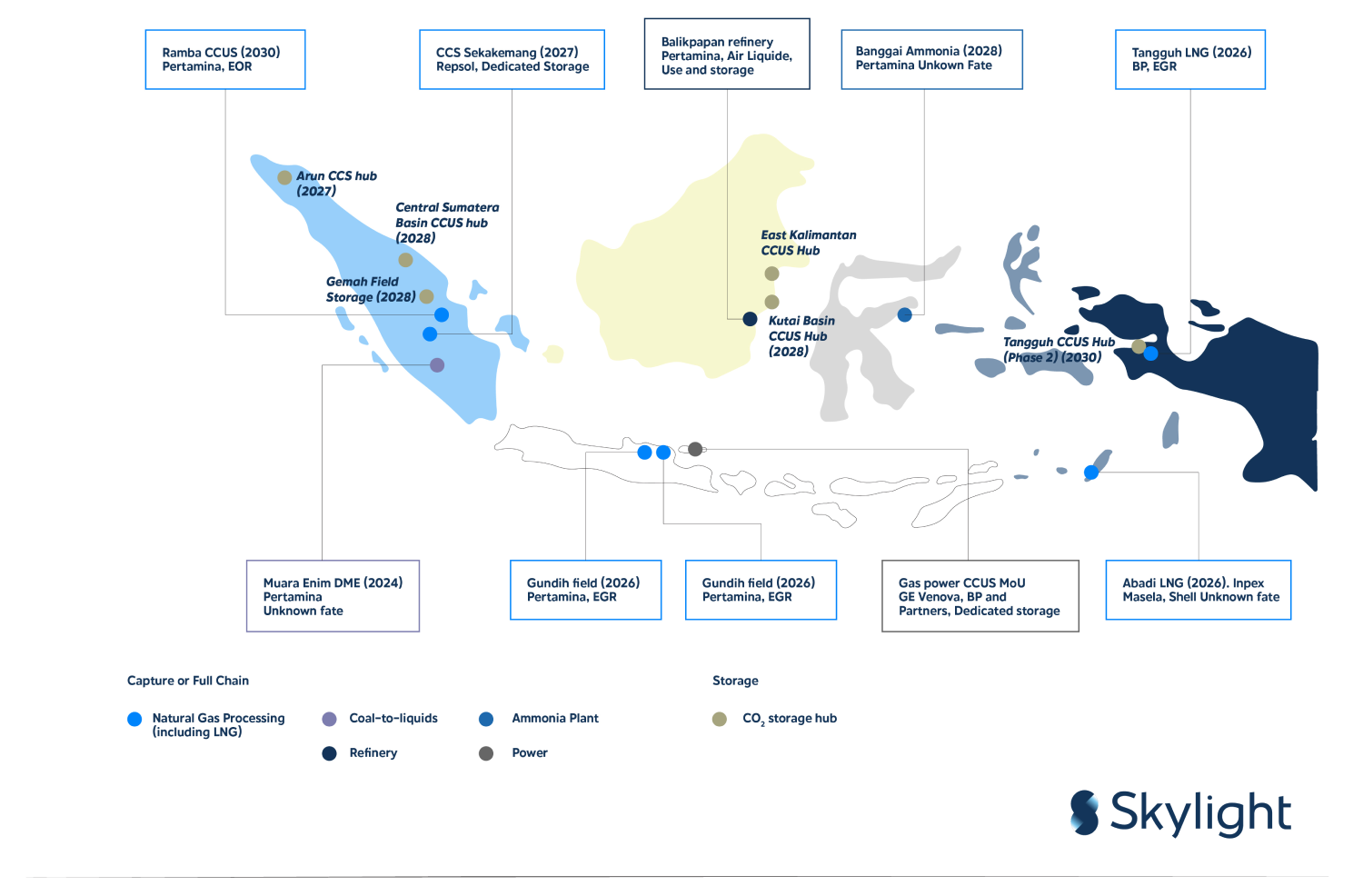
Current Active CCUS Projects in Indonesia
Indonesia has initiated several CCUS projects, primarily led by state-owned and multinational companies:
Gundih CCUS Pilot Project (Pertamina)
- Location: Gundih Gas Field, Central
- Capacity: 3 million tons of CO₂
- Investment: Estimated at $80 million.
- Objective: Enhance oil recovery and reduce emissions from gas
Tangguh CCUS Project (BP Indonesia)
- Location: West
- Capacity: Up to 25 million tons of CO₂ storage over the project’s
- Investment: Approximately $3 billion.
- Objective: Reduce emissions from LNG
Indonesia-Japan CCUS Partnership (JOGMEC)
- Focus: Feasibility study on CO₂ storage in depleted gas
- Potential Storage Sites: Kalimantan and
- Investment: Estimated $50 million for research and pilot
Future CCUS Projects in Indonesia
ExxonMobil & Pertamina Joint CCS Initiative
- Target: Carbon storage in depleted fields in
- Capacity: Estimated at 200 million tons CO₂ over the project’s
- Investment: Around $2.5 billion.
Chevron’s Offshore CCS Study
- Objective: Explore offshore storage potential in Java
- Projected Impact: Decarbonizing industrial sectors near
- Investment: Estimated at $1
PLN’s CCS for Coal-Fired Power Plants
- Goal: Retrofitting coal plants with carbon capture
- Projected Completion: 2030
- Investment: Estimated at $500
Conclusion
Overall, Indonesia’s CCUS journey is in its early stages, with strong policy ambition but limited infrastructure and financial support. To transition from regulation to large-scale implementation, Indonesia must strengthen investment incentives, build CO₂ transport and storage networks, enhance public trust, and forge international partnerships for technology and funding. If these steps are taken, Indonesia has the potential to lead CCUS deployment in Southeast Asia, but until then, CCUS remains more of a long-term vision than an immediate solution.
Sources
- Skylight Analytics Hub
- Ministry of Energy and Mineral Resources (MEMR) Regulation 2/2023 – Government of Indonesia, March 2023.
- Paris Agreement Commitments – United Nations Framework Convention on Climate Change (UNFCCC), 2015.
- Carbon Capture, Utilization, and Storage (CCUS) Market Report – International Energy Agency (IEA), 2022.
- Global Status of CCS 2023 – Global CCS Institute,
- The Role of Carbon Pricing in CCUS Development – World Bank Carbon Pricing Dashboard, 2022.
- Infrastructure Needs for Large-Scale CCUS Deployment – International Energy Agency (IEA), 2021.
- Carbon Taxation and Incentive Mechanisms for CCUS – Norway’s Ministry of Petroleum and Energy, 2022.
- The 45Q Tax Credit and its Impact on CCUS Investments in the S. – U.S. Department of Energy, 2023.
- CCUS Pilot Projects in Indonesia: Gundih and Tangguh – Pertamina & BP Indonesia Reports, 2023.
- The Economics of CCUS in Industrial Applications – International Renewable Energy Agency (IRENA), 2022.
- Challenges and Risks in CO₂ Storage and Monitoring – Environmental Protection Agency (EPA), U.S., 2021.
- Public Perception and Policy Acceptance of CCUS – Journal of Environmental Policy & Planning, 2022.
- The Role of ASEAN in Regional Carbon Management – ASEAN Centre for Energy (ACE), 2023.
- Cross-Border CCUS Cooperation in Southeast Asia – Asian Development Bank (ADB), 2023.
- Private Sector Investments in Carbon Capture Technologies – BloombergNEF (BNEF) Report, 2022.