
Hendry Santoso – Market Research & Feasibility Study
World’s Largest Nickel Producers and Reserves
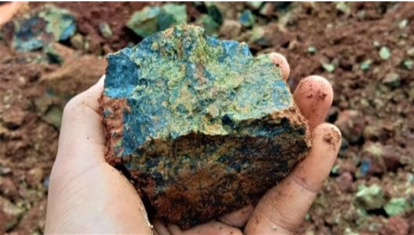 Nickel is one of the most abundant metallic minerals in the Earth’s crust, recognized for its silvery-white appearance with a slight golden hue and remarkable durability. It naturally occurs in two primary forms: sulfide and laterite ores. Sulfide ores typically form through volcanic and hydrothermal activity, often found alongside metals like copper (Cu), cobalt (Co), and occasionally, valuable elements such as gold, platinum, and palladium. Laterite ores, on the other hand, are predominantly found in tropical regions near the equator, with significant deposits in Western Australia and South Africa.
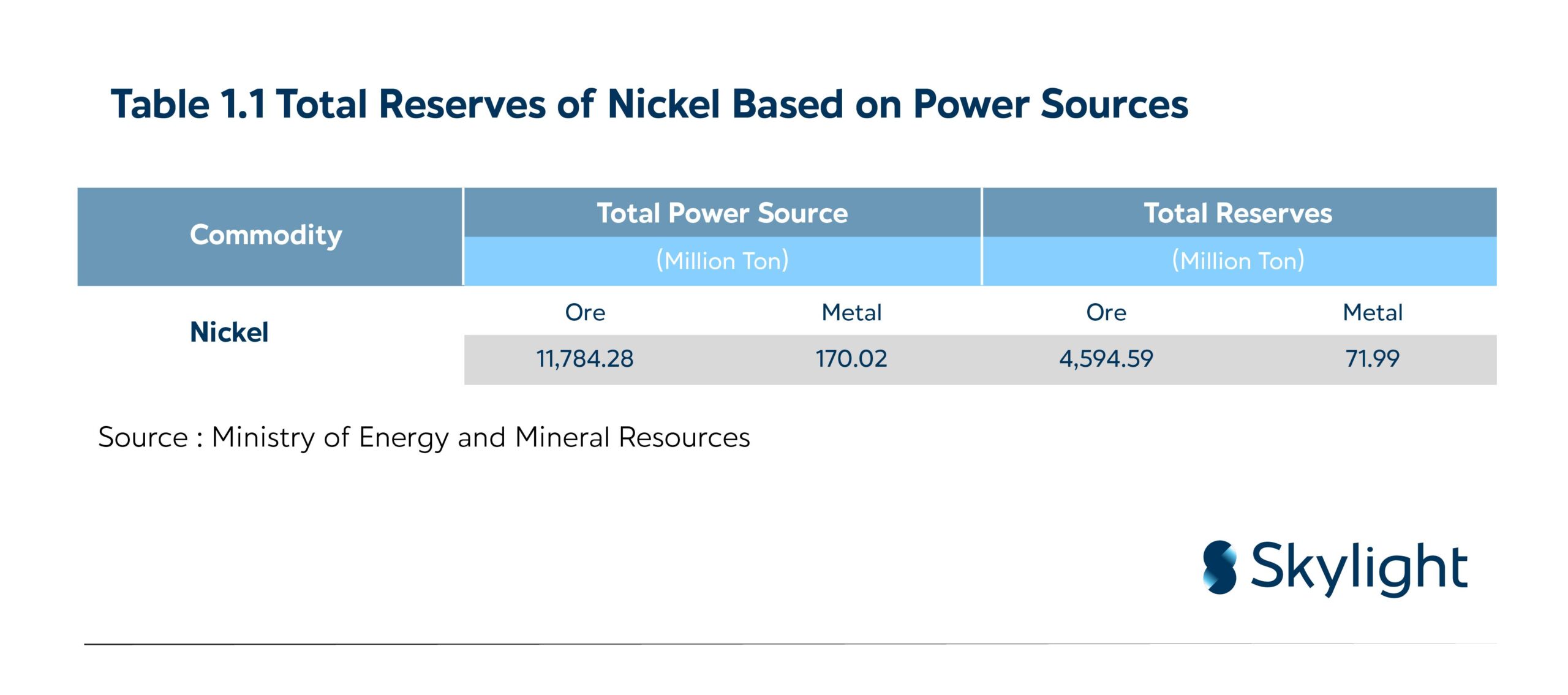
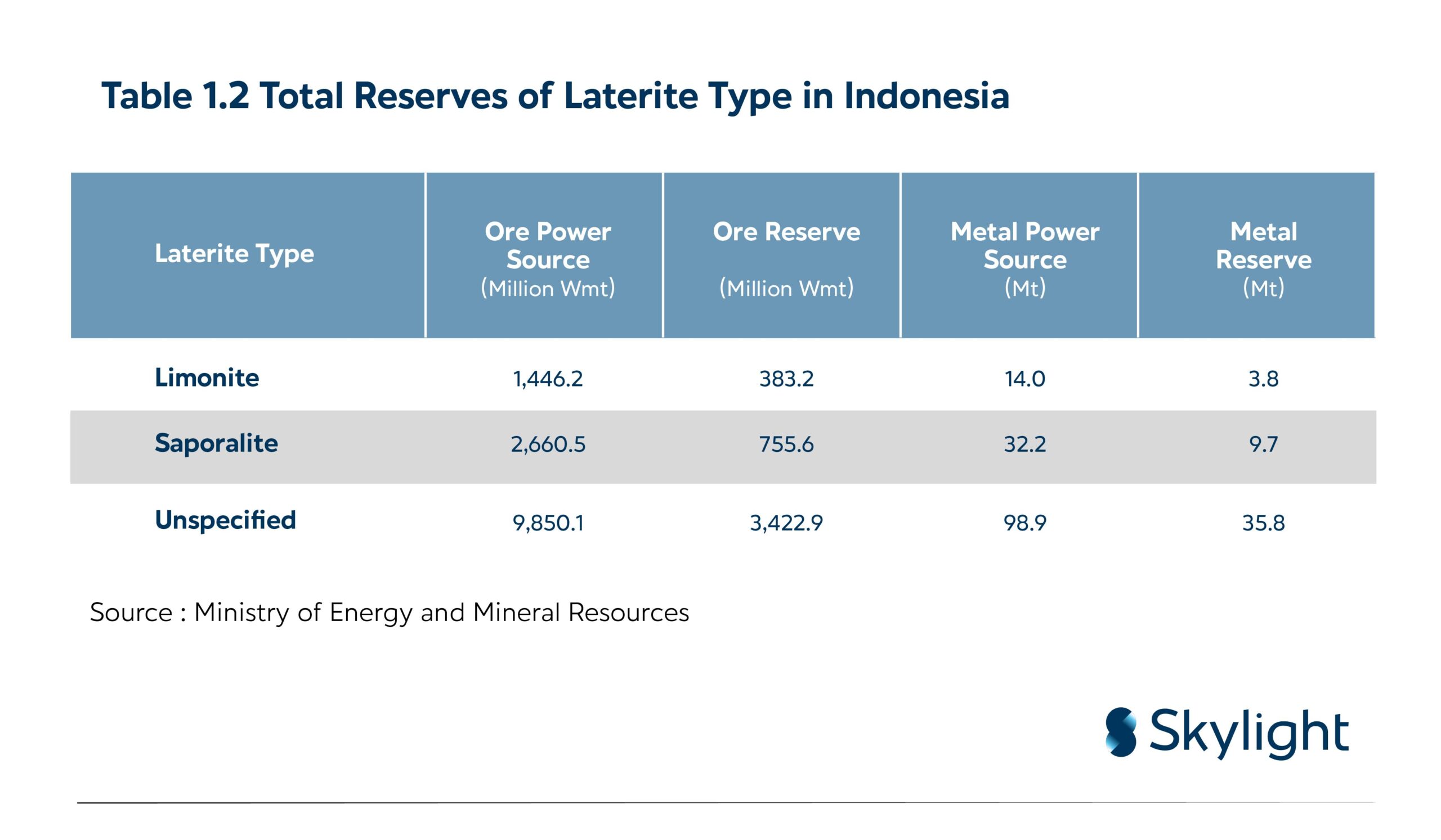
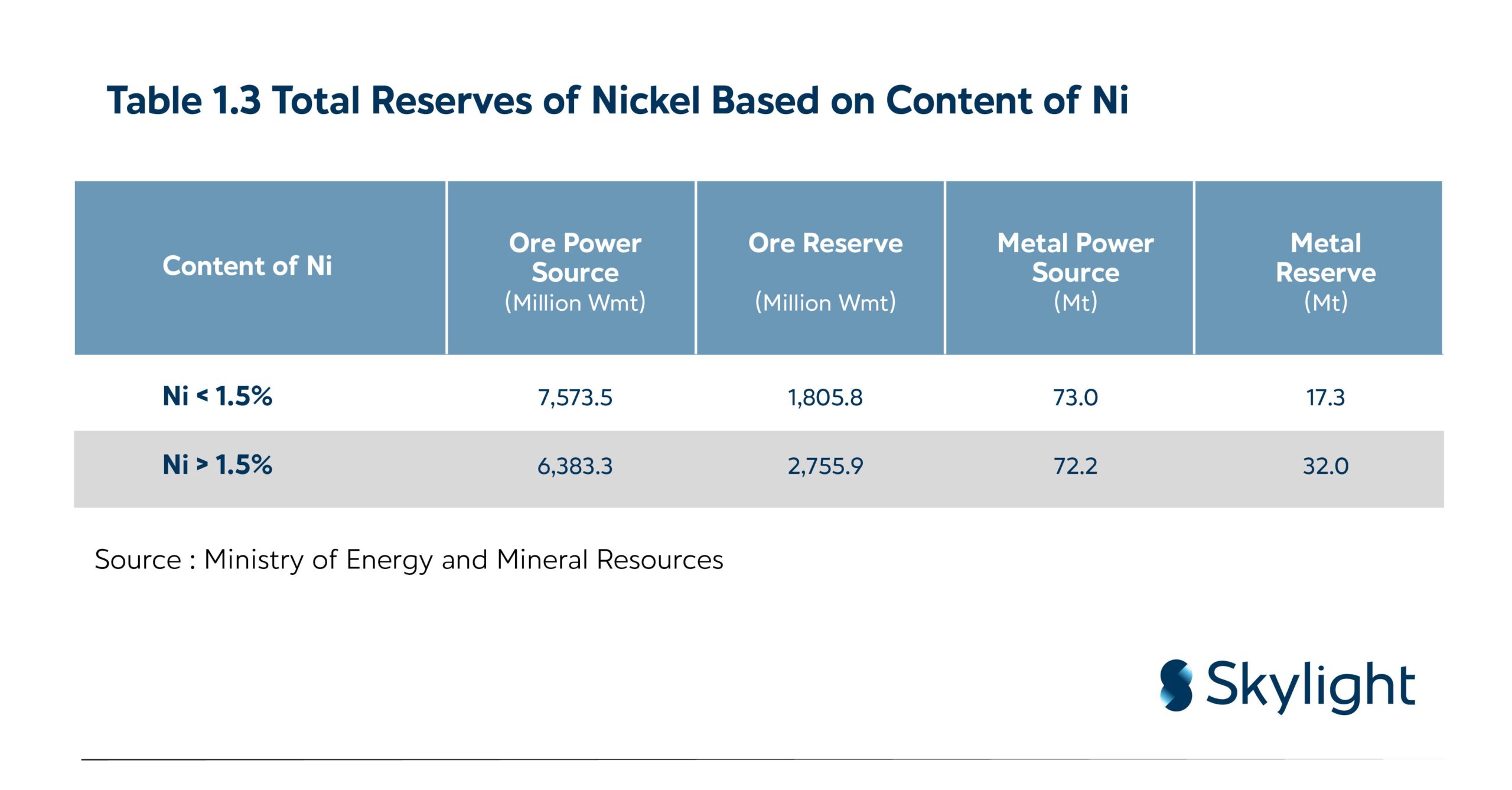
As the world’s top nickel producer, Indonesia plays a central role in the global supply chain. According to the Ministry of Energy and Mineral Resources (ESDM), the country’s nickel mining concessions span approximately 520,877 hectares across seven provinces: Southeast Sulawesi (198,624 ha), North Maluku (156,197 ha), Central Sulawesi (115,397 ha), Papua (16,470 ha), West Papua (22,636 ha), Maluku (4,389 ha), and South Sulawesi (198,624 ha). Collectively, these regions hold an estimated 11.7 billion tonnes of nickel, with confirmed reserves of around 4.5 billion tonnes, encompassing both low-grade (limonite) and high-grade (saprolite) nickel deposits.
Indonesia’s Nickel Ore Export Ban: A Path to Economic Growth
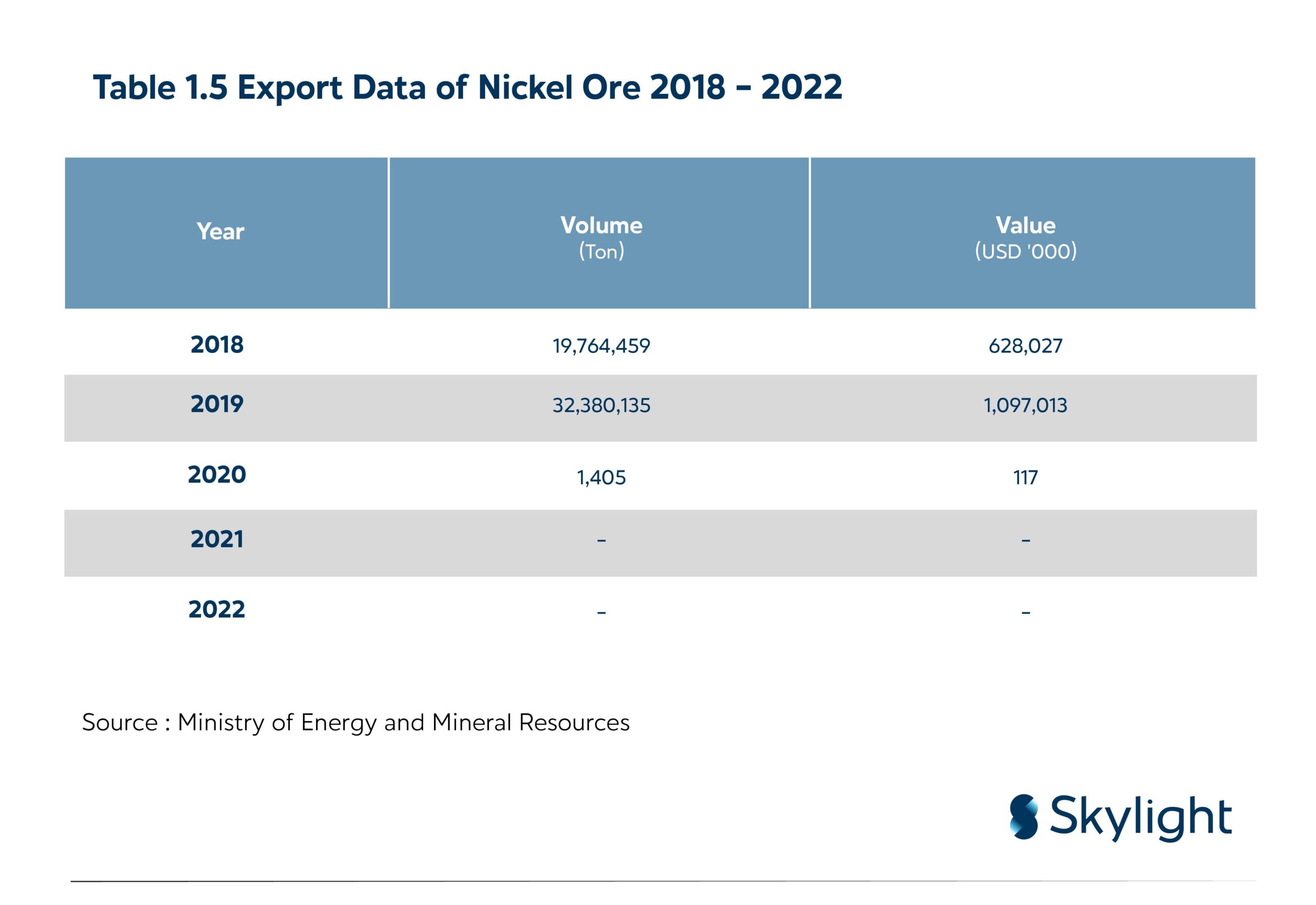
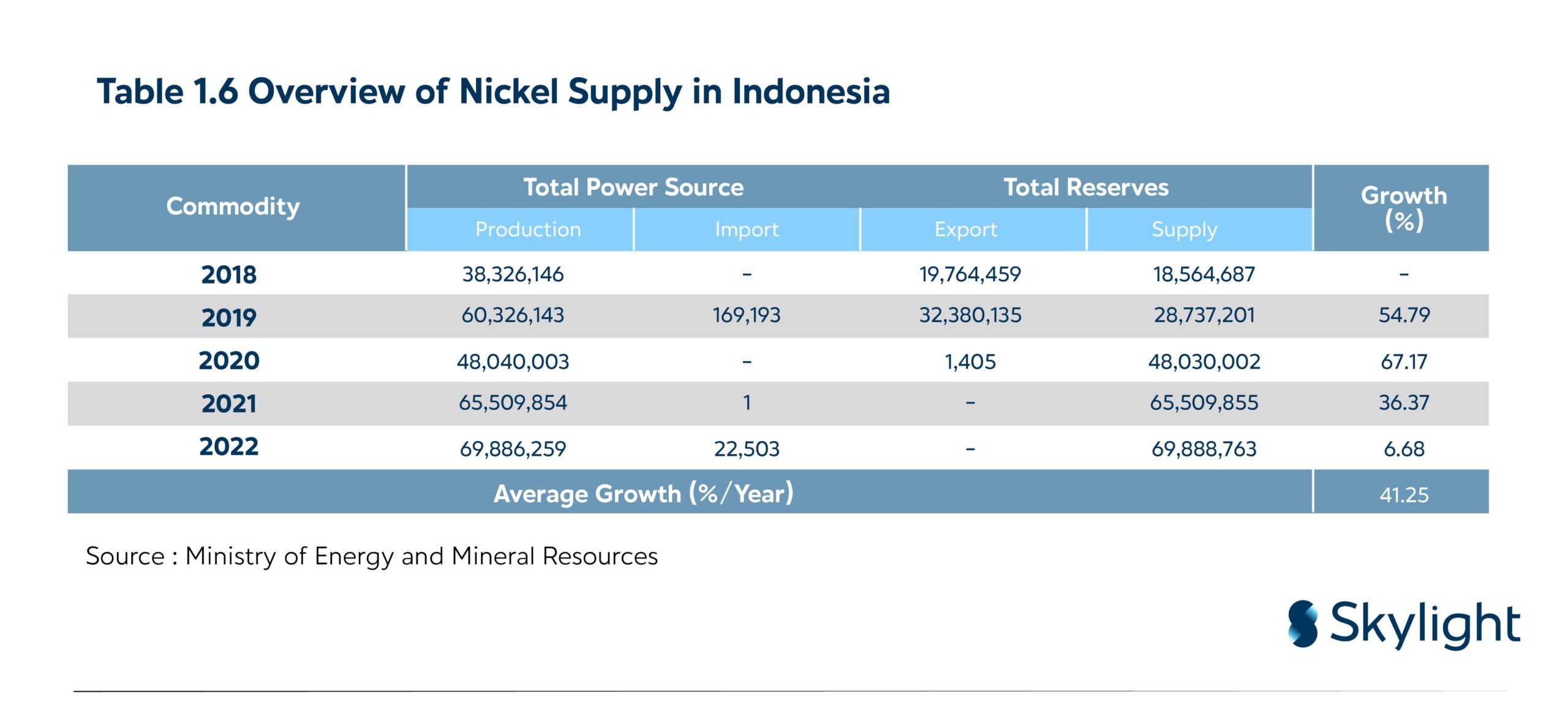
The Indonesian government has mandated that the mining and coal sectors play a key role in generating state revenue to support national development and community welfare. Under Law No. 4 of 2009, mineral and coal resources must undergo domestic processing rather than being exported in raw form. Aligned with this policy, Indonesia implemented a nickel ore export ban (HS 2604.00.00) on January 1, 2020, marking a major shift in the country’s resource management. This move aimed to strengthen downstream industries, boost local smelting capacity, and reduce dependence on raw material exports. As a result, nickel ore exports plummeted from 32.4 million tons in 2019 to just 1,405 tons in 2020, underscoring the government’s commitment to increasing domestic value-added production.
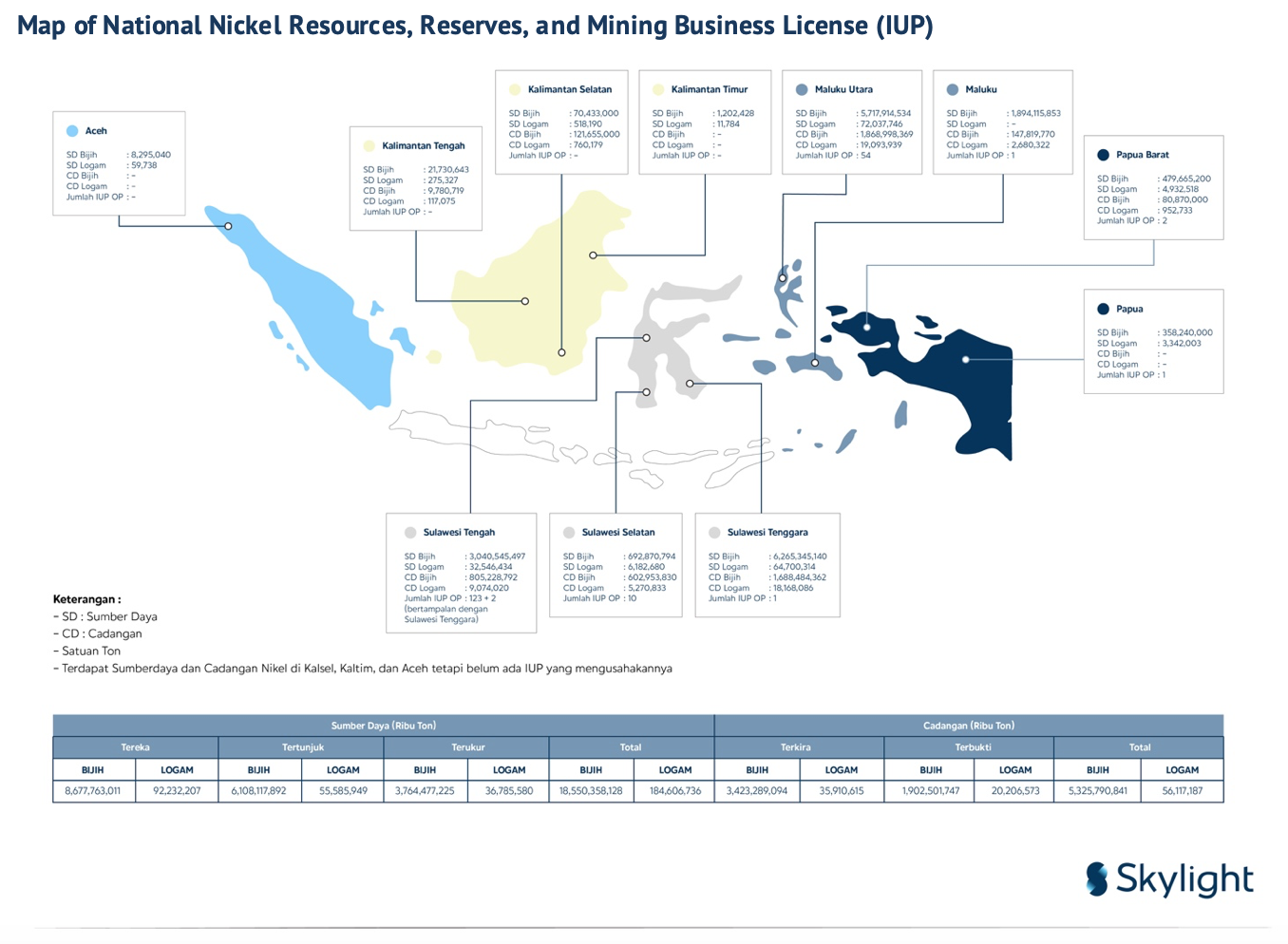
The export ban has prompted a transformation in Indonesia’s nickel industry. The country has focused on developing local smelting and refining capacities, with projections for 2022 including 12 ferronickel plants, 18 nickel pig iron plants, 2 matte nickel plants, and 3 facilities producing Mixed Hydroxide Precipitate (MHP), which is essential for industries like electric vehicles and renewable energy.
This move is part of Indonesia’s broader Downstream Program, which encourages processing raw materials domestically to create higher-value products. The government aims to shift from exporting raw resources to developing industries that can generate more jobs and revenue locally. While challenges remain, such as the need for investment in infrastructure and technology, this strategy is poised to reduce reliance on raw exports and build a more diversified, value-added economy.
Massive Growth After Nickel Production
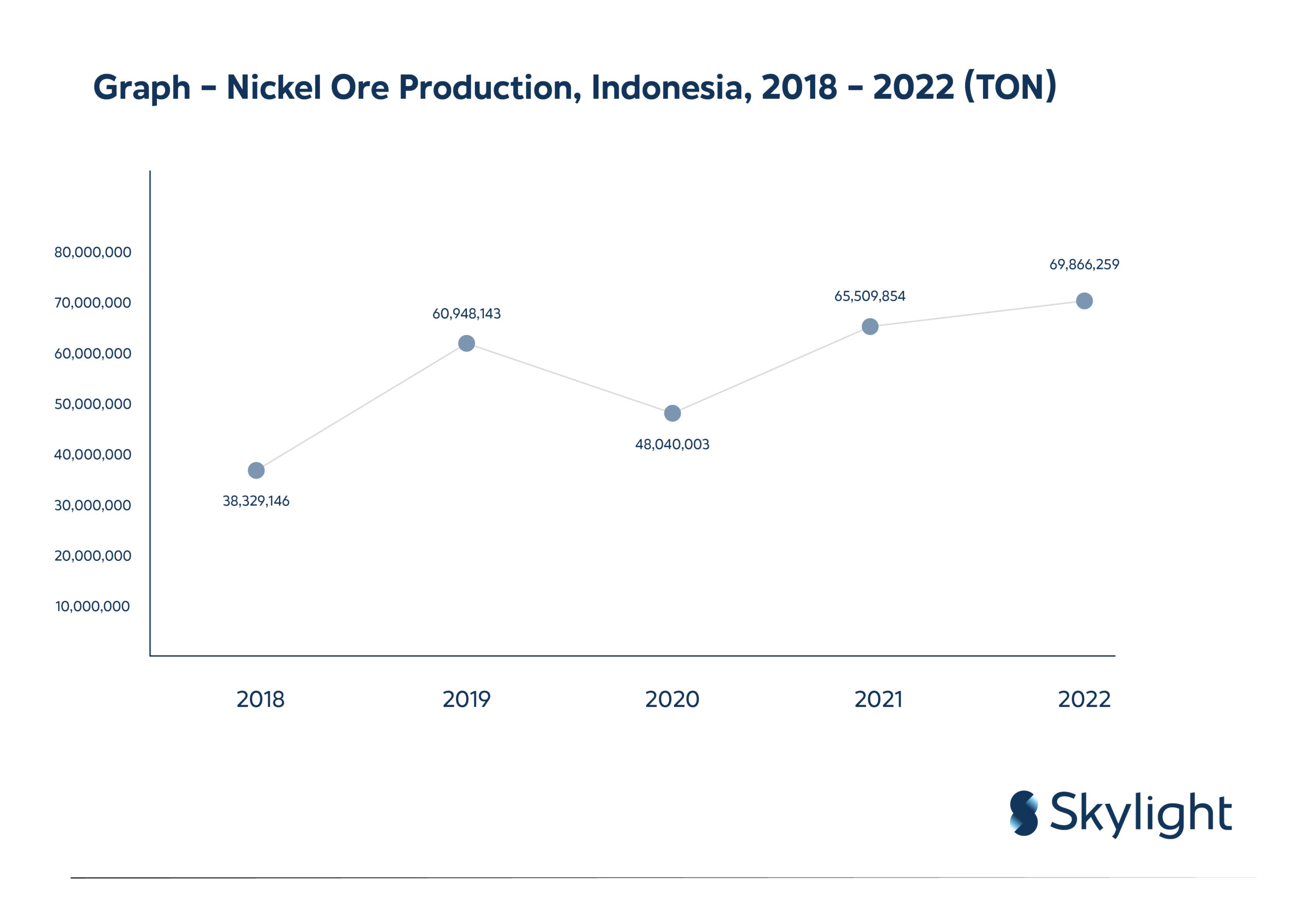
By 2021, as the effects of the pandemic began to wane and the economy recovered, Indonesia’s nickel production resumed its upward trajectory. Mining operations normalized, and production climbed once again to 65,509,854 tons. This recovery underscored the resilience of the nickel industry and its importance to Indonesia’s economy. According to data from the Ministry of Energy and Mineral Resources (ESDM), Indonesia’s nickel ore production has shown remarkable growth over the 2018–2022 period, with an average annual increase of 20.21%. This consistent rise highlights Indonesia’s growing role as a significant global producer of nickel, a key component in the production of stainless steel and electric vehicle batteries.
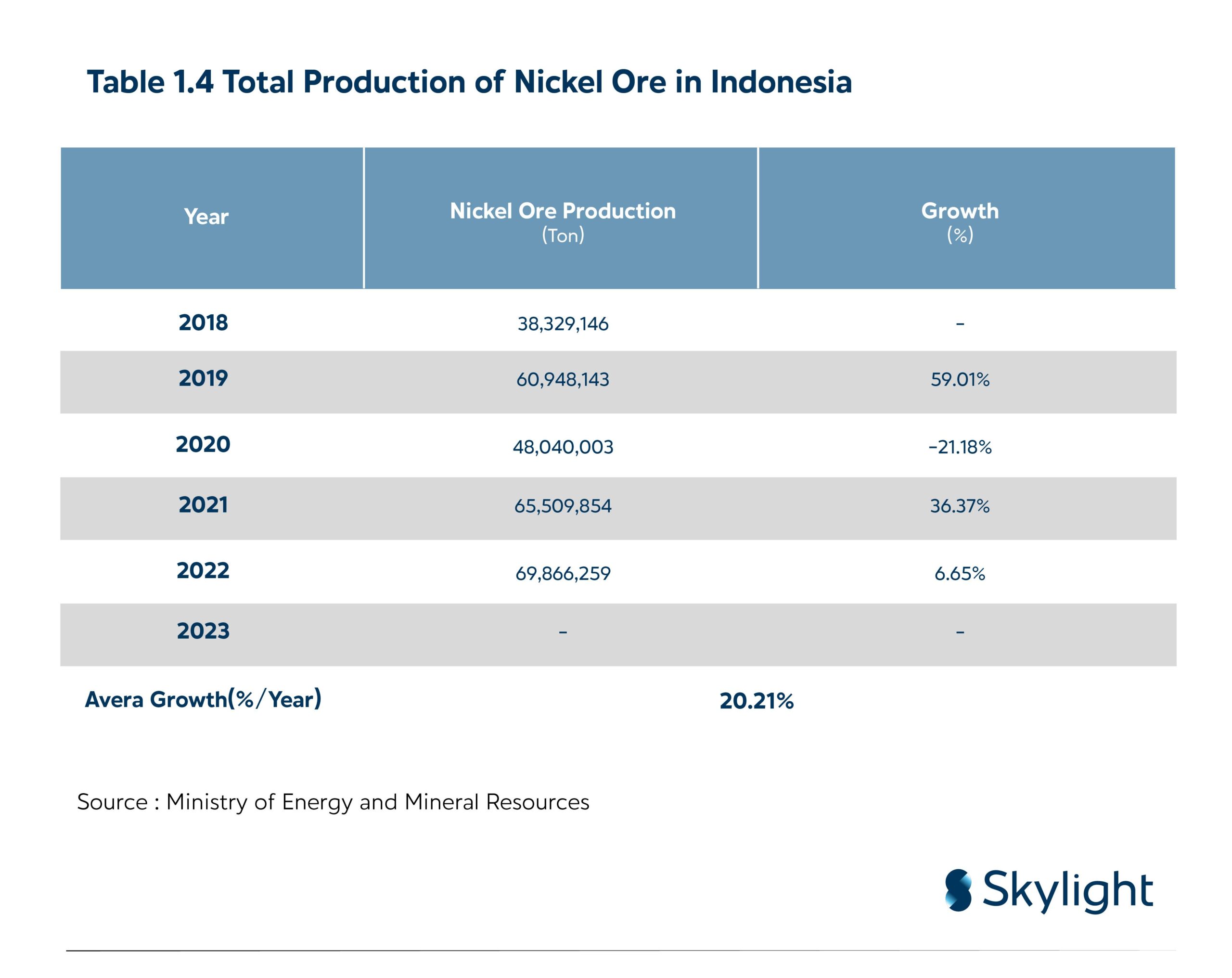
In 2018, Indonesia’s nickel ore production was recorded at 38,329,146 tons, reflecting the steady pace of mining operations at the time. However, 2019 saw a dramatic surge, with production reaching 60,948,143 tons—a significant 59.01% increase compared to the previous year. This sharp rise can be attributed to the government’s intensified efforts to boost the mining sector and meet growing global demand for nickel.
The trend was disrupted in 2020 when the COVID-19 pandemic struck, causing widespread economic challenges and logistical disruptions. During this period, production dropped to 48,040,003 tons, as mining activities slowed due to health restrictions and declining demand in some sectors. This temporary setback reflected the broader impact of the pandemic on Indonesia’s economy and industries.
In 2022, nickel ore production was estimated to reach an impressive 69,866,259 tons, keeping the upward trend and solidifying Indonesia’s position as a key player in the global nickel market. This consistent growth aligns with Indonesia’s strategic goals to capitalize on its vast nickel reserves and meet increasing demand from industries such as electric vehicle manufacturing. Overall, the 2018–2022 period highlights Indonesia’s ability to adapt and grow despite challenges, underscoring the critical role of nickel mining in the country’s industrial and economic development.
Indonesia’s Nickel Ore Export Ban: A Path to Economic Growth
The Indonesian government’s policy of banning the export of nickel ore, effective January 1, 2020, has had a significant impact. According to data from the Central Statistics Agency (BPS), nickel ore exports dropped drastically to just 1,405 tons following the ban. By 2021– 2022, nickel ore exports had nearly vanished, falling from 65 kilograms to only 492 kilograms.
This stands in stark contrast to the years 2018–2019, when nickel ore exports were substantial and highly lucrative. For instance, in 2018, Indonesia exported 19,764,459 tons of nickel ore valued at USD 628.03 million. The following year, in 2019, exports surged to 32,380,135 tons, with a total value of USD 1.1 billion.
According to Skylight, multiple companies—including PT Macika Mada Madana, PT Aneka Tambang (ANTAM) Tbk, PT Rohol Energi Indonesia, PT Sinar Jaya Ultra Utama, PT Wana Tiara Persada, PT Trimegah Bangun Persada, PT Gane Permai Sentosa, PT Tekindo Energi, and PT Gebe Sentra Nickel—were involved in nickel ore exports before the government’s 2020 export ban.
The ban, however, triggered a dispute with the European Union, leading to a lawsuit at the World Trade Organization (WTO). The WTO ruled that Indonesia’s policy violated the 1994 General Agreement on Tariffs and Trade (GATT) and recommended compliance with trade obligations.
Despite restricting exports, Indonesia intermittently imported nickel ore. Imports were nonexistent in 2018, resumed in 2019 at 169,193 tons, ceased again in 2020 due to stricter policies, and briefly returned in 2021 with minimal volume. By 2022, imports increased to 22,503 tons.
Domestic Demand is The Key
As highlighted earlier, the marketing strategy for nickel ore in Indonesia has been strategically designed to cater to domestic industries. This shift aligns with the government’s vision to enhance the value chain of mineral resources within the country. The policy has had a significant impact on the supply of nickel ore, which experienced remarkable growth over the 2018–2022 period, with an average annual increase of 41.25%.
In 2018, the supply of nickel ore in Indonesia was recorded at 18,564,687 tons, reflecting the steady pace of mining operations at that time. However, by 2019, the supply saw a dramatic increase, rising sharply to 28,737,201 tons. This substantial growth was likely driven by a combination of heightened mining activities and increased demand from emerging industries within the country.
The upward trend continued into 2020, despite challenges posed by the global pandemic, with nickel ore supply reaching 48,040,002 tons. This increase demonstrated the resilience of Indonesia’s mining sector and its ability to adapt to disruptions. By 2021, supply levels continued to rise as mining operations regained full momentum. Finally, in 2022, Indonesia’s nickel ore supply peaked at an impressive 69,888,763 tons, showcasing the sustained growth and robust performance of this critical sector.
This dramatic increase in nickel ore supply over the years has had far-reaching implications for Indonesia’s industrial landscape. The availability of massive quantities of nickel ore has encouraged the establishment of several processing and refining facilities (smelters) across the country. These facilities include those producing ferronickel, nickel pig iron, nickel matte, and other derivative products, all of which are vital components in industries such as stainless-steel manufacturing and electric vehicle battery production.
The development of these smelters not only adds value to the country’s raw materials but also positions Indonesia as a major player in the global nickel industry. This transformation underscores the effectiveness of the government’s policies in leveraging domestic resources to stimulate industrial growth, create jobs, and increase economic resilience.
Smelter Creates Added Value Despite of Its Massive Investment Cost
The Indonesian Nickel Miners Association (APNI) has highlighted the ongoing growth of nickel processing and refining facilities (smelters) across the country. This expansion is driven by the increasing demand for refined nickel products and the government’s commitment to adding value to its natural resources.
Several new smelter companies are currently in the construction phase, signaling a robust investment in the sector. By 2023, many of these smelters are expected to be completed and operational, significantly enhancing Indonesia’s nickel refining capacity and positioning the country as a major global hub for nickel processing.
Nickel extraction and refining rely on two main technological processes: pyrometallurgy and hydrometallurgy. These methods are essential for converting raw nickel ore into usable materials for various industries, including stainless steel production and battery manufacturing for electric vehicles.
Pyrometallurgy: A Time-Tested Method
Pyrometallurgy is one of the oldest and most widely used methods for extracting metals from ores. This process involves the application of extremely high temperatures to melt the ore, allowing the metal to separate from other impurities. The molten metal is then collected and further refined to achieve the desired purity.
One of the primary advantages of pyrometallurgy is its speed. The entire extraction process can be completed within a matter of hours, making it an efficient option for large-scale operations. This method is particularly suitable for processing high-grade ores and is commonly used in producing ferronickel and nickel pig iron, both of which are critical materials in the stainless-steel industry.
Hydrometallurgy: A Versatile Approach
Hydrometallurgy, on the other hand, is a more modern and versatile method of metal extraction. This process involves treating the ore with water or a chemical solution to dissolve the metal at relatively low temperatures. The metal is then recovered from the solution through processes such as precipitation, solvent extraction, or electro-winning Hydrometallurgy is especially effective for processing low-grade ores that may not be economically viable to process using pyrometallurgy. It allows for greater precision and control in extracting specific metals, making it an ideal choice for producing high-purity nickel products. This method is also well-suited for use in industries requiring specialized nickel compounds, such as battery manufacturing for electric vehicles
Role of Smelters in Indonesia’s Nickel Industry
The increasing number of smelters in Indonesia reflects the country’s ambition to move away from exporting raw nickel ore and focus instead on refining and processing it domestically. By adding value to its natural resources, Indonesia aims to maximize the economic benefits of its abundant nickel reserves. This shift has also attracted significant foreign and domestic investment, fueled the growth of infrastructure, and created employment opportunities in the mining and refining sectors.
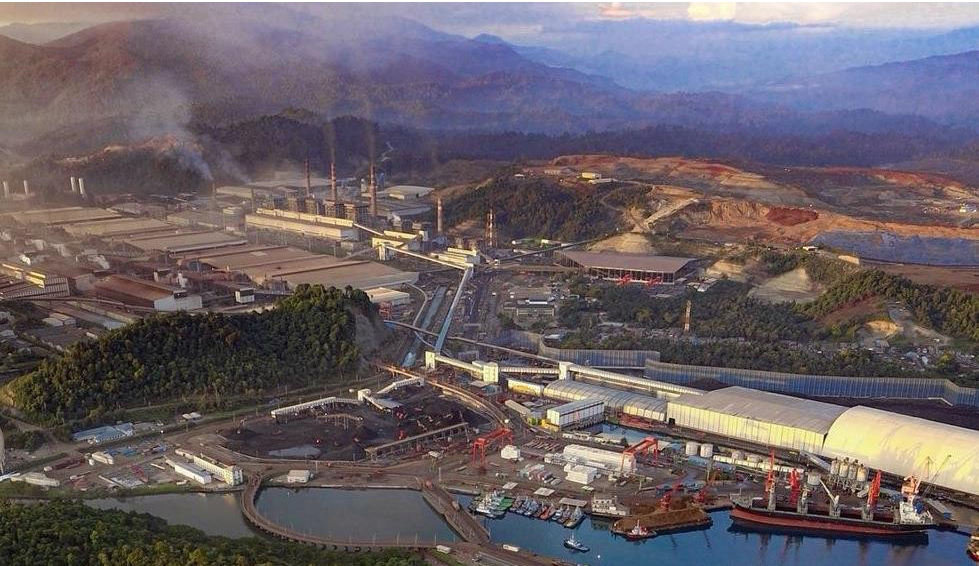
Figures 1.2 Nickel Smelter of PT. Tsingshan in Sulawesi, Indonesia
With the completion of new smelters in 2023, Indonesia is poised to enhance its global competitiveness in the nickel industry. The adoption of advanced extraction technologies, including both pyrometallurgy and hydrometallurgy, ensures that the country can process a wide range of ore grades efficiently and sustainably. This development not only supports the domestic economy but also positions Indonesia as a critical player in meeting the growing global demand for nickel, particularly in the electric vehicle and renewable energy sectors.
Nickel’s Business at The Crossroads
Indonesia’s nickel reserves are facing a potential depletion within the next four to five years due to a rapid increase in the number of nickel smelters operating in the country. It would be explained in further breakdown:
- Current Nickel Smelter Operations
40 Nickel Smelters: As of 2023, there are 40 operational nickel smelters in Indonesia, which are processing 193 million tonnes of nickel ores per year. Increasing Number of Smelters: Indonesia’s nickel industry is undergoing rapid expansion. The country currently has 54 smelters in operation, and 120 more smelters are under construction. An additional 16 smelters are in the planning phase. Future Smelter Count: In total, Indonesia is expected to have around 190 nickel smelters once all these projects are completed.
- Implication of Smelter Expansion
Increased Ore Demand: If all 190 smelters are fully operational, the need for nickel ores will increase dramatically. Currently, the 40 smelters in operation are consuming 193 million ores per year. With 190 smelters, the demand could rise fivefold, reaching close to 1 billion ores per year.
- Indonesia’s Nickel Ore Reserves
– Reserve Size: According to data from the Geological Agency of the Ministry of Energy and Mineral Resources (ESDM), Indonesia has 5.03 billion tonnes of nickel ores remaining.
– Projected Depletion: With the increasing demand from smelters, Indonesia’s nickel reserves would not be able to meet the growing need. In just four to five years, the reserves could be completely exhausted if the smelter operations continue at this rate.
- Nickel Business is an End Game in Indonesia
The rapid expansion of smelters and the increased demand for nickel ores could lead to the depletion of Indonesia’s nickel reserves sooner than expected. Given that the country’s ore reserves will only last for about 4 to 5 more years under current smelting conditions, there is a clear risk of a shortage in the near future.
In summary, Indonesia is at a critical juncture in managing its nickel resources, and without sustainable practices or alternative reserves, the country risks exhausting its nickel supply within a few years.
Conclusion
- The domestic nickel processing industry in Indonesia has seen remarkable progress and expansion over the past five This accelerated growth can be attributed to various factors, primarily the entry of a considerable number of new players into the nickel mining and nickel ore sectors.
- Moreover, Indonesia’s nickel ore production has seen substantial increases in recent On average, the nation’s nickel ore production has grown by an impressive 20.21% annually. In 2018, Indonesia’s nickel ore production was recorded at 38,329,146 tonnes. Since then, the growth trajectory has been steep, with production escalating sharply in the following years. By 2020, the country’s production reached a remarkable 65,509,854 tonnes, reflecting an increase of over 70% from 2018 levels. The momentum continued in 2021 and 2022, with production further rising to 69,866,259 tonnes, marking a significant surge.
- This rise in production underscores the increasing capacity and efficiency of Indonesia’s nickel mining industry, as well as the country’s strategic importance in the global supply chain for The rapid growth can also be attributed to the government’s support for the sector, particularly in policies aimed at promoting value-added processing and reducing the country’s dependency on raw material exports. As a result, Indonesia has not only increased its production of nickel ore but has also been making strides in developing its downstream nickel processing industry, further solidifying its position as a key player in the global nickel market.
- Additionally, the significant growth in production is linked to the country’s rich nickel ore deposits, particularly in areas like Sulawesi and Halmahera, which are becoming critical sources of nickel for both domestic and international The ongoing development of mining infrastructure, including smelters and refineries, has been instrumental in meeting the rising demand for nickel, particularly driven by the electric vehicle (EV) battery industry, which requires large quantities of nickel for battery production. In conclusion, Indonesia’s nickel processing industry has not only experienced rapid growth in terms of production volumes but has also become an increasingly influential player in the global market. The continued development of mining operations and nickel processing infrastructure, combined with government support and foreign investment, promises to further elevate Indonesia’s position as a major global supplier of nickel in the coming years.
- As of January 2025, the Indonesian government has not officially halted new investments in nickel However, there is growing concern among experts and government officials regarding the rapid depletion of the country’s nickel reserves. A senior government official has warned that Indonesia’s nickel reserves could be exhausted within the next four to five years, given the current rate of smelter operations.
- In response to these concerns, the government has considered implementing a moratorium on the construction of new nickel smelters, particularly those utilizing Rotary Kiln Electric Furnace (RKEF) technology, which produces products like Nickel Pig Iron (NPI) and Ferro Nickel (FeNi). This consideration aims to conserve nickel resources and ensure sustainable development of the
- Additionally, the Indonesian Mining Association (IMA) has urged the government to impose restrictions on the construction of high-grade nickel smelters to prevent rapid depletion of nickel The IMA emphasizes the need to balance industrial development with resource conservation to ensure the long-term viability of the nickel industry.
- While no official moratorium has been enacted, these discussions indicate a shift towards more sustainable practices in the nickel processing sector. The government is actively engaging with industry stakeholders to address these challenges and develop strategies that balance economic growth with environmental and resource
- A senior government official has warned that Indonesia’s nickel reserves could be depleted within the next four to five years due to the operation of numerous nickel Julian Ambassadur Shiddiq, Director of Mineral and Coal Program Development at the Ministry of Energy and Mineral Resources, explained that 40 smelters currently process 193 million ores annually.
- With 54 smelters in operation, 120 more under construction, and 16 planned, the total number of smelters will soon reach 190. This increase will raise the demand for nickel ores fivefold, reaching nearly 1 billion ores per year. However, Indonesia’s reserves are only 5.03 billion ores, leading to concerns about a depletion of reserves within a few years.
References
- Skylight Analytics Hub
- Ministry of Energy and Natural Resources, https://esdm.go.id
- Ministry of Industry, https://kemenperid.go.id
- Indonesia’s Nickel Forum Industry (FINI)
- Indonesia’s Statistics Bureau, https://bps.go.id
- The China Global South Project, https://chinaglobalsouth.com
- Ministry of Finance, https://kemenkeu.go.id
- Indonesia’s Nickel Reserves may end in 4-5 years, https://indonesiabusinesspost.com
- Indonesia’s Nickel Companies, cited from Institute For Energy Economics and Financial Analysis, https://ieefa.org
- Indonesia’s Nickel Industry Strategy, a research from CSIS, https://csis.org
- Indonesia’s Nickel Mine Production, https://statista.com
- Global Players Response to Indonesia’s Pricing Power, https://reuters.com
- Indonesia and China Killed the Nickel Market, https://mining.com